500kV TRANSMISSION LINE
MARL / Gore-Doubs-Goose Creek
Project information, impacts on our communities and underground alternatives are below. Click a section heading to read the maps, documents and additional information.
The proposal
MARL / Gore-Doubs-Goose Creek is a proposed 500kV transmission line through Pennsylvania, West Virginia, Maryland and Virginia. Its connected segments are NextEra’s MARL, FirstEnergy’s Gore-Doubs-Goose Creek and Dominion’s segment in eastern Loudoun.
Project status as reported October 5, 2026
MARL: PA, WV, VA, MD Cases Active, Gore-Doubs-GooseCreek: WV-Not Filed, VA-Not Filed, MD-Active
The problem
MARL / Gore-Doubs-Goose Creek would require new and expanded easements across private property. The proposed route affects national forests, parks and scenic trails, and the Potomac River viewshed. The maps and state cases for each segment are included below.
The solution: underground high-voltage direct current (HVDC)
Underground high-voltage direct current (HVDC) is an alternative to overhead high-voltage alternating current (HVAC) transmission lines. We are asking for an underground HVDC solution along existing utility or highway easements, with the cost difference paid by the data centers.
Click the headings below for the PATH underground HVDC study, other underground projects, technical papers and construction videos.
Underground High-Voltage Direct Current Is An Alternative to Overhead HVAC Transmission Lines
Sign the Petition For An Underground HVDC Solution Through Virginia
References:
High Voltage Direct Current (HVDC) transmission lines use direct current as opposed to the alternating current which is used by the HVAC transmission lines. HVDC is used for bulk transfer of electricity across long distances and for direct point to point applications. Recently, it has begun to be used for shorter distances. HVDC voltages are in the 100kV to 800 kV range.
In comparison to HVAC, HVDC is more efficient and has 30 – 50% less line losses over long distances than HVAC. HVDC transmission lines do not require substations like HVAC transmission systems do, instead an HVDC converter substation is needed at each end of the transmission line. An added benefit is that HVDC lines do not emit EMFs.
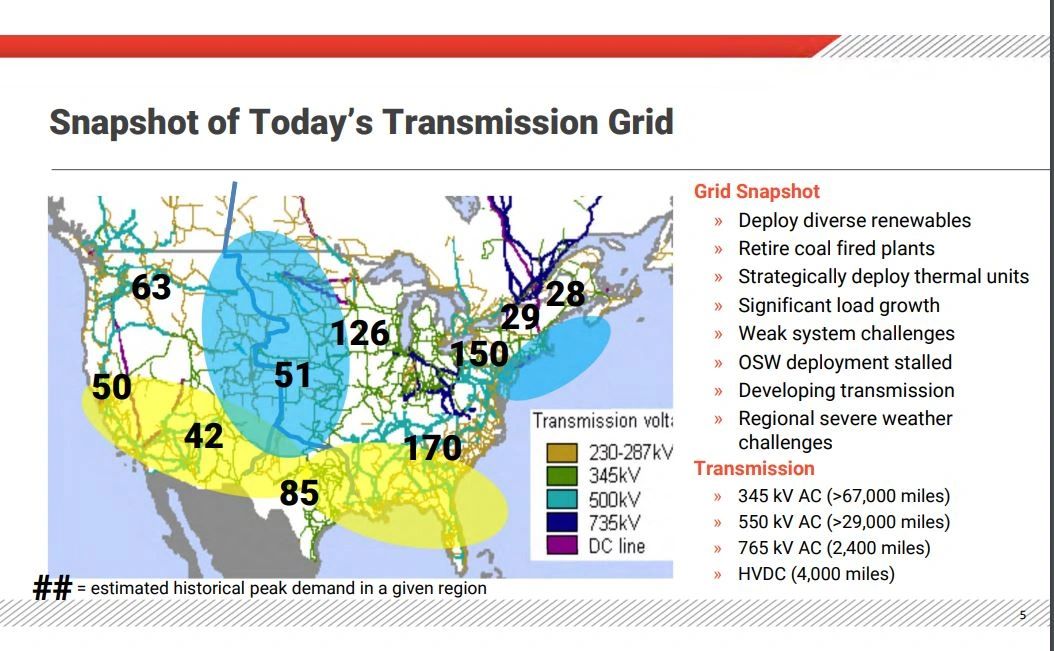
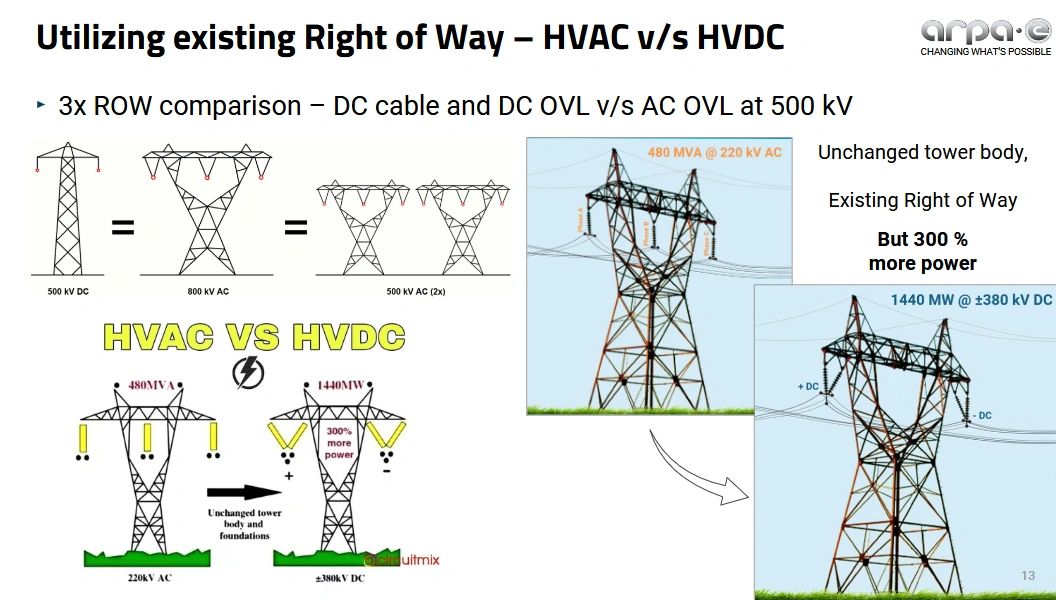
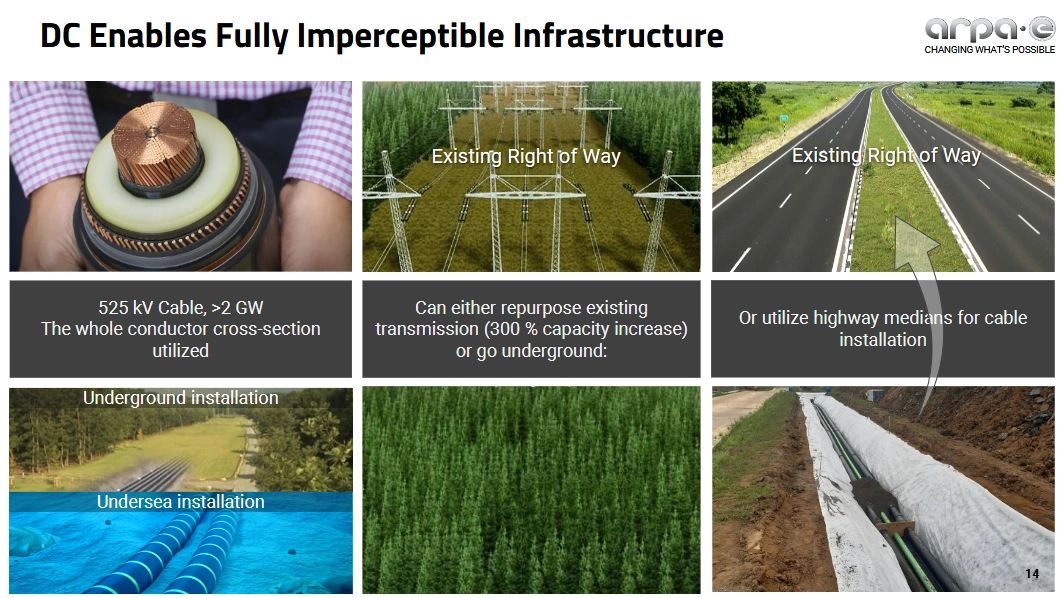
In a typical overhead transmission line installation, HVDC uses a narrower right of way and smaller towers. Additionally HVDC cable can be more easily buried than HVAC and can be installed under water.
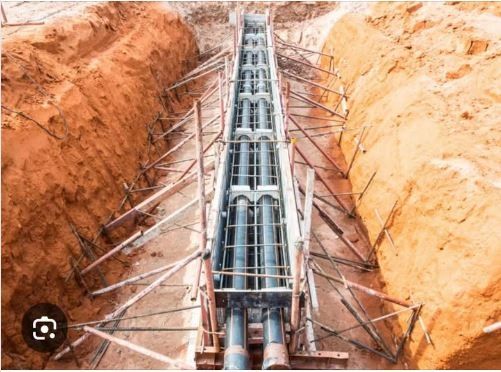
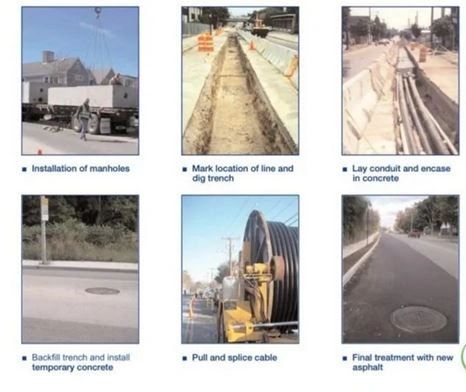
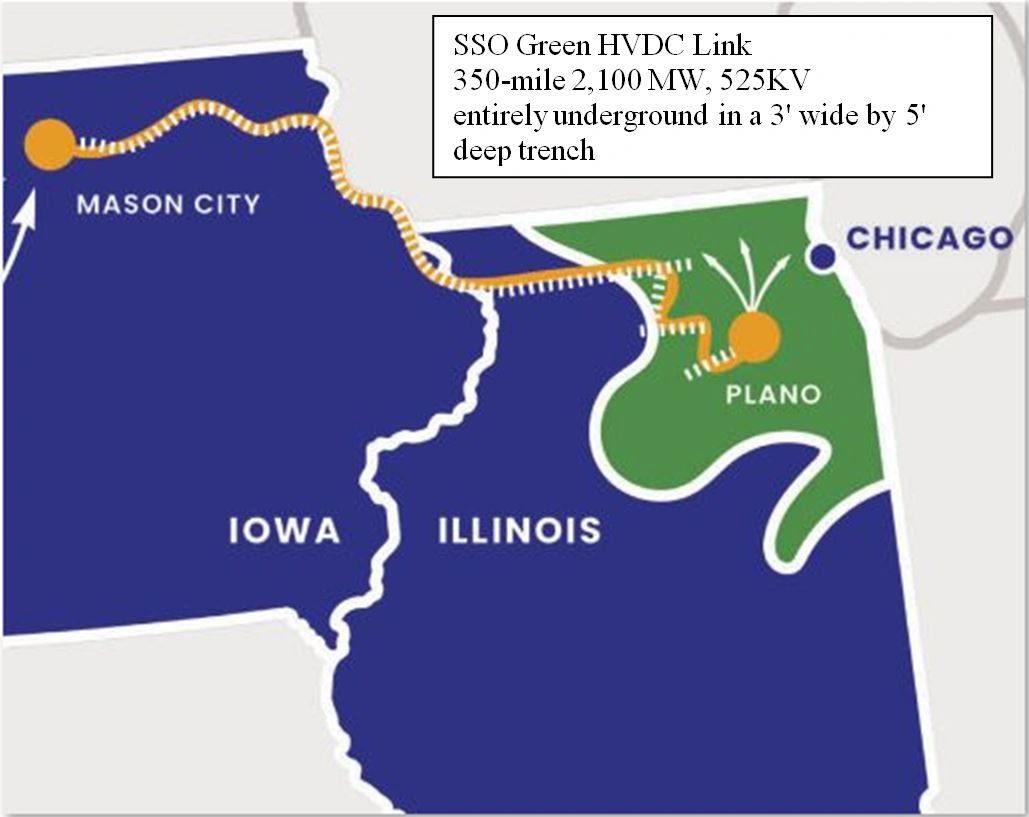
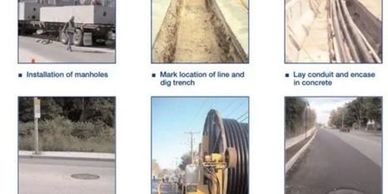
The trench for the SSO Green HVDC Link (350-mile 2,100 MW, 525KV underground high voltage direct current (HVDC) ) is 3′ wide by 5′ deep.
When comparing costs between HVDC and HVAC a 2022 feasibility study done by NextGen Highways found that buried HVDC is cost competitive to HVAC. The DOE notes that ” converter stations required for HVDC deployment are expensive, however, with a breakeven distance of approximately 37 miles for submarine lines and 124 miles for overhead lines ”
The Brattle Group’s 2023 report “The Operational and Market Benefits of HVDC To System Operators“: “European grid operators in particular have taken advantage of advanced VSC capabilities. Internationally, VSC-based HVDC technology has become the dominant HVDC choice over the last 5–10 years, with approximately 50 GW of VSC-based HVDC transmission projects in operation today and approximately 130 GW planned or under development through the end of the decade. North America accounts for only 3% of all VSC-based HVDC systems in operation worldwide and—almost exclusively due to efforts by merchant transmission developers—for approximately 30% of planned and proposed VSC systems.”
In this report they list over 20 case studies.
The U.S Department Of Energy even has an HVDC Cost Reduction (CORE) Initiative and is promoting the use of HVDC to connect the county. The Department of energy states “Ultimately, HVDC technology has many benefits for the American grid as it is cost-effective over long distances. Converter stations required for HVDC deployment are expensive, however, with a breakeven distance of approximately 37 miles for submarine lines and 124 miles for overhead lines, HVDC systems offer cost savings that outweigh these high converter costs. These savings include relatively low loss rates and cheaper construction costs. Over long distances, HVDC losses can be up to 30-50% lower than comparable HVAC systems, reducing long-term costs. “
Black & Veatch did a study for the PATH 765kV transmission line, that proved HVDC underground was a feasible solution. The full title of that study was : Black & Veatch, “PJM Interconnection Potomac-Appalachian Transmission Highline (PATH) Project, HVDC Conceptual Study, B&V Project No.164996, B&V File 42.2004 , FINAL November 17, 2009 This was entered into the record as part of the Virginia SCC Case PUE 2009-00043 Application of PATH Allegheny Virginia Transmission Corporation
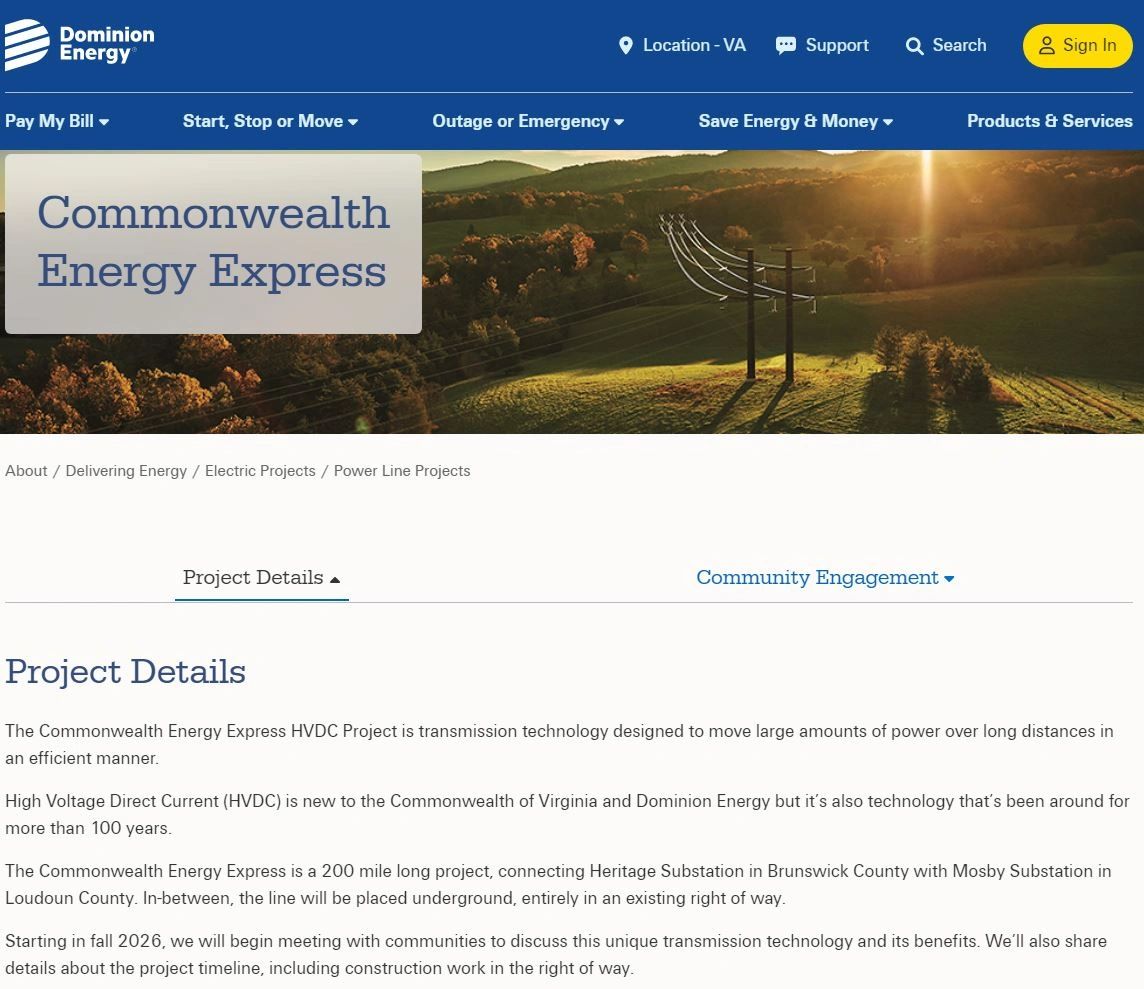
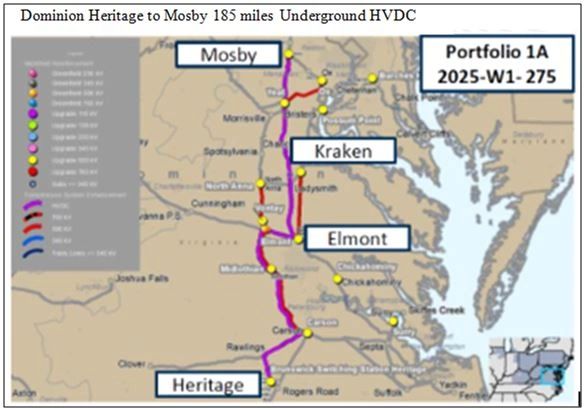
PJM Recent selected Dominion’s 200 mile all underground HVDC project from the Heritage substation in Southern Virginia to the Mosby Substation in Loudoun County (aka Dominion’s Commonwealth Energy Express) . Here is Dominion’s HVDC fact sheet, on page 2 read why it is easier to bury HVDC than HVAC.
Read PJM’s HVDC fact sheet. Even PJM acknowledges “Still, as a solution for interregional, long-range transmission, HVDC systems have evolved to deliver cost and design advantages over AC high voltage transmission. Uses range from undersea cables to deliver bulk electricity from offshore wind to the coast, or overland HVDC systems to transport renewable solar and wind power located in unpopulated areas to urban areas. HVDC technology can also connect regional grids that operate at different frequencies. There are more than 100 HVDC transmission projects around the world, including lines stretching more than 6,000 miles from northwest China to the coast. In North America, there are several thousand miles of HVDC in operation, according to the U.S. Dept. of Energy. Between PJM and the New York ISO, several HVDC projects provide service.”
FirstEnergy is now responsible for two massive transmission lines targeted through our communities (Valley Link and MARL/Gore-Doubs-Goose Creek). Its time to re-evaluate and look at ONE single solution – figure out how much power can be reasonably imported from West Virginia and build A SINGLE INCLUSIVE HVDC Underground solution to solve it.
References:
- DOE Super Electronic Highway Grid Presentation: Modernizing the Grid / HVDC and MTDC
- Electric Technology: Difference between HVAC and HVDC
- Detailed Differences Between HVAC and HVDC
- 2024: Federation Of American Scientists : Creating a National HVDC Network
- 2024: DOE HVDC Cost Reduction (CORE) Initiative
- 2023: DOE Connecting the Country with HVDC
- 2023: The Operational and Market Benefits of HVDC to System Operators.
- 2022: NextGen Highways Feasibility Study for Minnesota Department Of Transportation
- 2022: NextGen Highways Buried HVDC is Cost Competitive
- 2014: ABB Review: Special Report 60 years of HVDC
Workshops:
- Read materials from the December 16, 2025 MISO HVDC Assessment Workshop
- Read materials from the June 23, 2023 ERCOT EHV and HVDC Workshop
Articles:
- Why are utilities building tomorrow’s grid with yesterday’s technology?
- Merchant Developers fill “void” in US Inter-regional Grid Build-out
- Creating a National HVDC Transmission Network
- Harnessing HVDC transmission as a transformative force in modern grid design
- Undergrounding: Case Study: Undergrounding to Support Data Center Demand Growth
- Connecting the Country with HVDC
- Cyber Attack Resilient HVDC
- Siemens Energy: HVDC Solutions
- Super Electric Highway Grid Presentation: Modernizing the Grid / Multi – Terminal HVDC
- The HVDC Center: Multi-Terminal HVDC Webinar Series Part1 – Introduction to Multi-terminal HVDC
- IEEE Spectum: HVDC Networks Come To Europe
- Converting existing HVAC transmission corridors to HVDC is an overlooked option for increasing capacity
Virginia Studies and Proposals
HVDC_Underground_ProjectDetails (pdf)Download
Two page handout on underground HVDC listing the latest underground HVDC transmission lines in the US that are in progress or have been completed,
HVDC_Underground_ProjectDetails (pdf)Download
US HVDC Transmission Lines In Progress / Completed
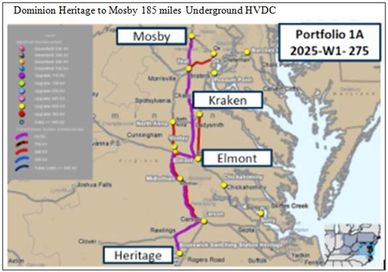
Dominion Heritage To Mosby HVDC Backbone (aka the Commonwealth Energy Express)
- PJM Approved, Estimated Completion Date June 2032 (Project Site)
- From the Heritage substation in Brunswick County, Virginia to the Mosby substation in Loudoun County, Virginia to serve Data Center Alley.
- 525kV, Total transmission capacity of 6,000 MW, with 3,000 MW to be implemented in Phase 1, and an additional 3,000 MW for Phase 2
- HVDC XLPE Cables
- 185 Miles
- $4.8 billion This is a PJM Ratepayer funded project.
- “The project is expected to primarily follow existing rights-of-way, limiting the need for property acquisitions.”
- “The physical footprint of the duct banks is assumed to be 8 feet wide. For typical operations and maintenance practice, 15-ft is added to each side of the duct banks. The total permanent new Right-of-Way necessary for the underground cable system would be 40-ft. For trench-less crossings, 150ft of ROW is needed for Horizontal Directional Drilling and 50ft of ROW is needed for Jack and Bore. At locations where splice vaults are required, the ROW will need to expand to 40-ft to accommodate the larger footprint of the system.”
- each of the two required High Voltage Direct Current converter stations (built at the Heritage and Mosby substation ends) is estimated to require a land footprint of approximately 12 acres
Read Dominion Eyes Underground, Direct Current Transmission Line Ending in Loudoun
Read the details in the redacted proposal
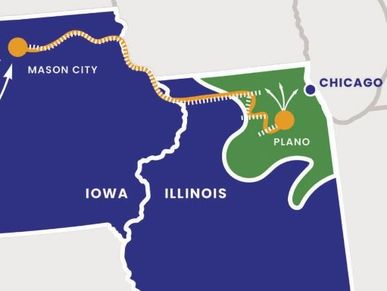
SSO Green HVDC Link
- In Progress – Estimated Completion Date 2031 (Project Overview)
- Mason City, Iowa to Yorkville, Illinois , Connecting MISO in the Midwest, and PJM in the East.
- 2,100 MW, 525KV
- HVDC XLPE Cables
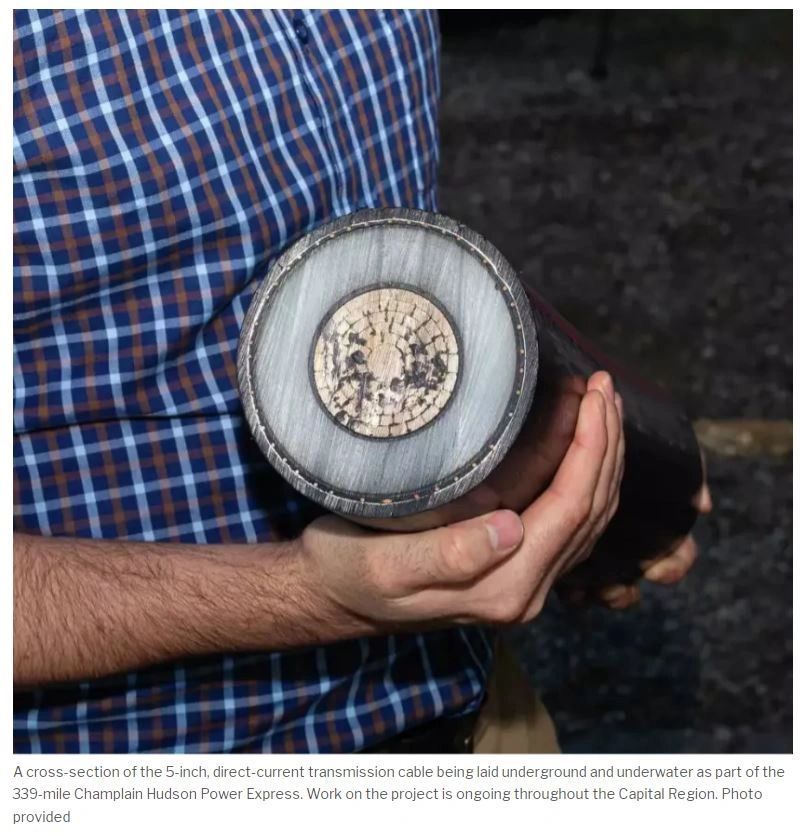
- “The project will use two 5-inch diameters (about the size of a wine bottle), 525KV extruded cross-link polyethylene (XLPE) insulated cables installed in a 3-foot wide by 5-foot deep trench. SOO Green HVDC Link will construct two VSC power converter stations at either end of the 350-mile HVDC line.”
- 350 miles
- All underground with transmission line running along existing rail corridors from Iowa to Illinois
This is a privately funded project.
Read 2.1-GW SOO Green transmission project advances with Iowa agreement
View video on the construction techniques being used here
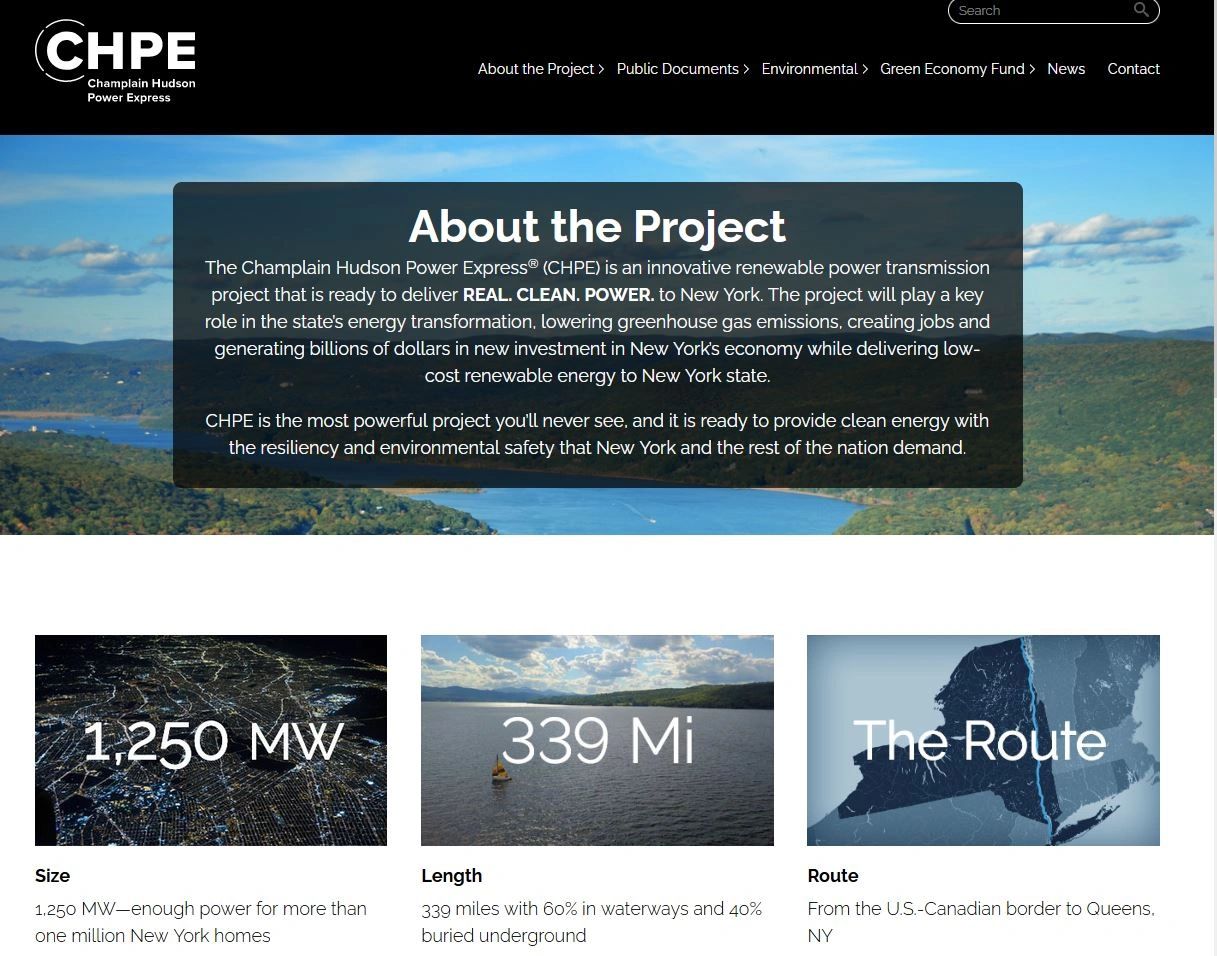
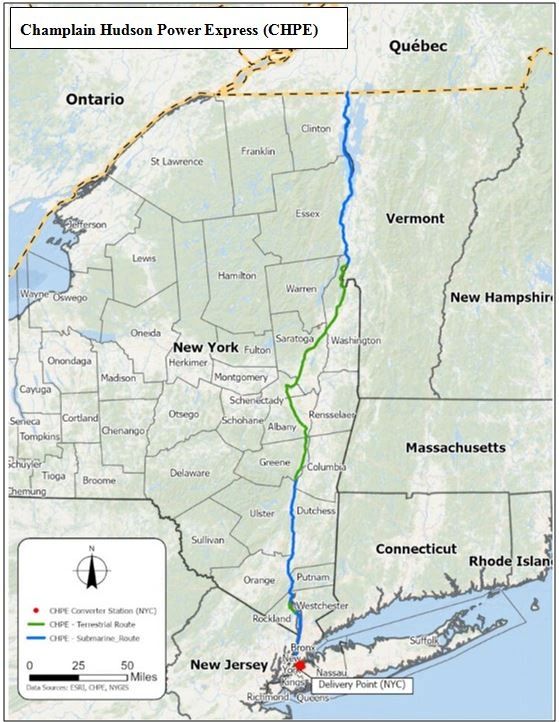
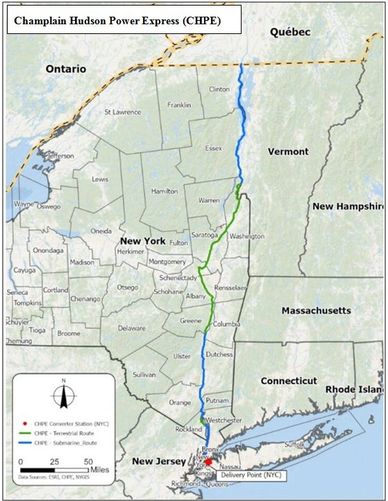
Champlain Hudson Power Express
- November, 2022 – Completed May 13, 2026 (Project Overview)
- Canadian Border to Queens, New York
- 1,250 MW – enough power for more than 1 million homes
- HVDC cable
- 339 miles with 60% in waterways and 40% buried underground
- The main conversion facility in Astoria, Queens occupies a total site area of approximately 4.5 acres. The primary high-voltage direct current (HVDC) converter building measures roughly 165 feet by 325 feet (a footprint of about 1.2 acres) and stands about 70 feet tall.
- “This project is entirely privately funded, and the overall cost is approximately $6 billion” (CHPE Q&A)
- “ The reason for the unusual approach of a submerged and buried line is that it reduces the local opposition that always accompanies large transmission line construction projects. “
Watch the webinar on under water installation (Expand & Click Marine Installation and Studies)
Read more about North America’s Longest Underground Transmission Line
Read the Adirondack Explorer article on the construction progress here
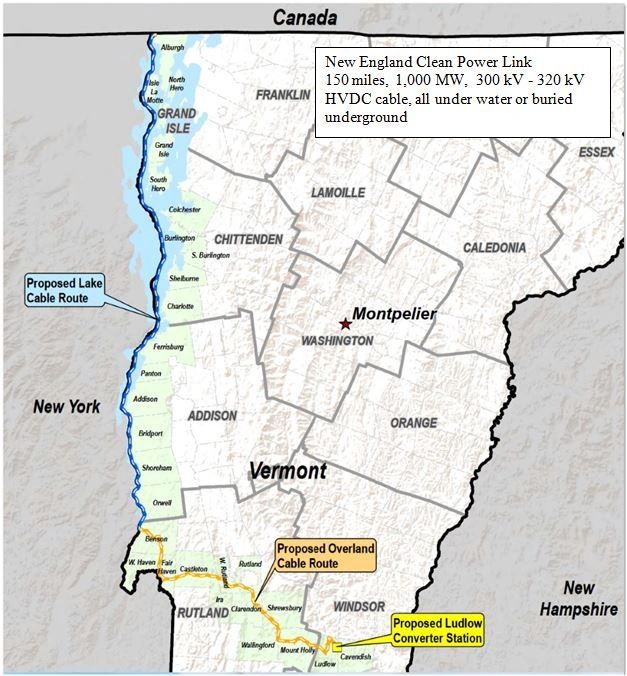
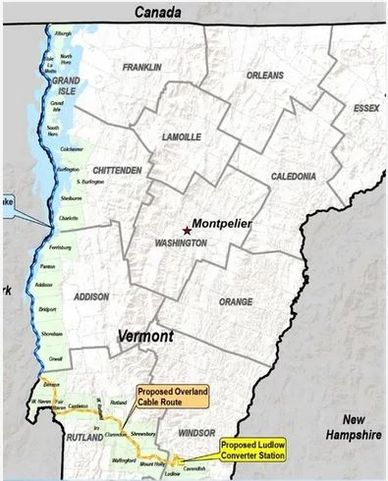
New England Clean Power Link
- Construction began in 2021 – Completed January 16, 2026 (Project Overview)
- Canadian border to Vermont
- 1,000 MW
- 300 kV – 320 kV HVDC cable
- 150 miles, all under water or buried underground in existing rights-of-way
- $1.6 billion merchant line will be privately financed and will not use taxpayer dollars
- “Ensured the permanent conservation of 50,000 acres of Maine wilderness, creating one of the largest contiguous conservation areas in the region. This land preservation initiative safeguards critical wildlife habitats, protects biodiversity, and ensures sustainable forestry practices.”
Press Release: Avangrid’s New England Clean Energy Connect Project Is Complete and Energized
DOE New England Clean Power Project Summary
ISO New England Consumer Liaison Group Presentation
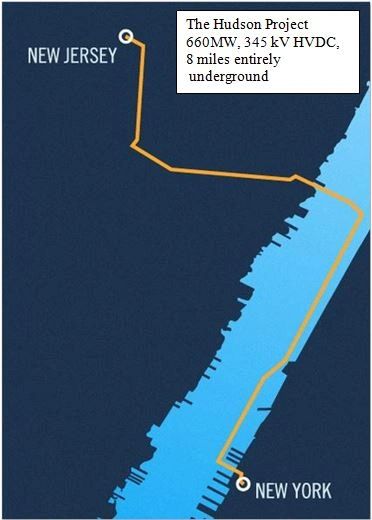
The Hudson Project
- May 2011 – Completed June 2013 (Project Overview)
- New Jersey , Long Island New York
- 660 MW – enough power for about 600,00 homes
- 345 kV HVDC cable
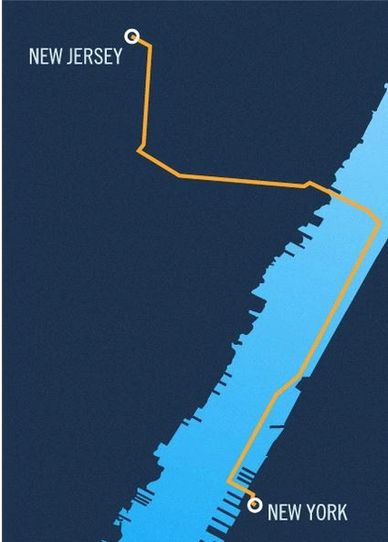
- 7.5 miles, entirely underground & underwater. It follows existing railroad rights-of-way, through an inactive railroad tunnel to the edge of the Hudson River in Edgewater. It is then buried beneath the Hudson for approximately three-and-a-half miles
- $850 Million
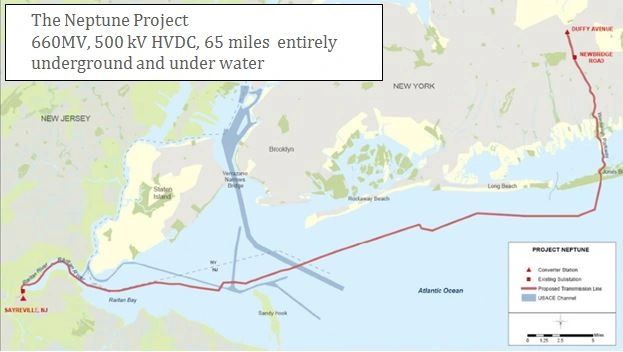
Neptune Transmission
- June 2005 – Completed June 2007 (Project Overview)
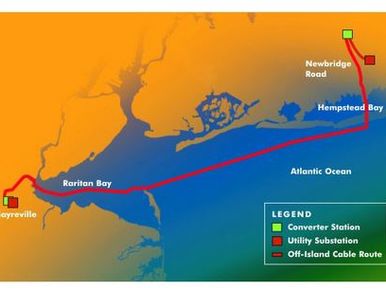
- New Jersey To Long Island, New York
- 660 MW, enough power for about 600,000 homes
- 500 kV HVDC cable
- 65 miles, @15 miles buried underground &@60 miles underwater
- $650 Million, This project was privately funded. (Neptune Project In Operation)
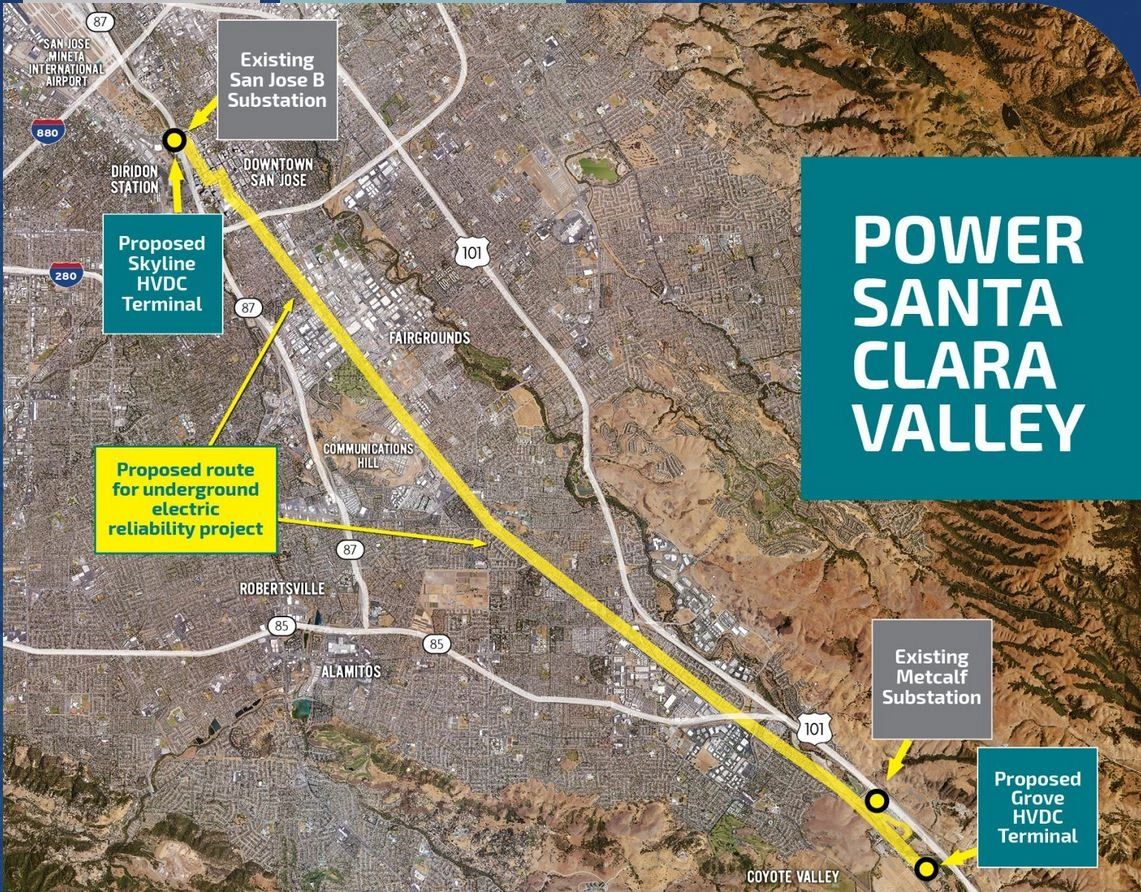
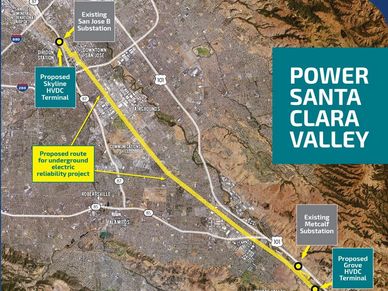
Power Santa Clara Project
- Construction started May 2026 with a completion date in 2028 (Project Overview)
- California
- 500 kV and 320 kV HVDC cables
- 1 mile 500 kV buried underground and 13 miles 320 kV buried underground
- $450 Million
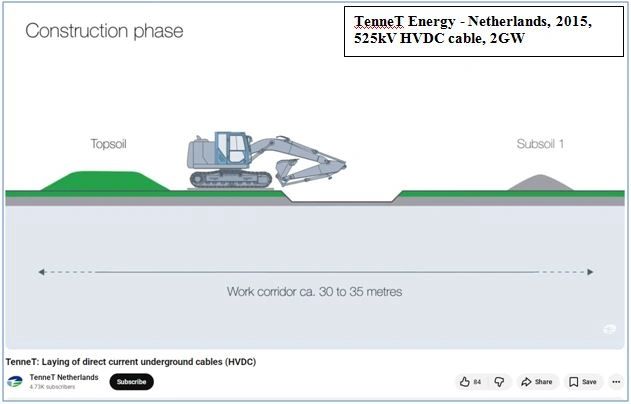
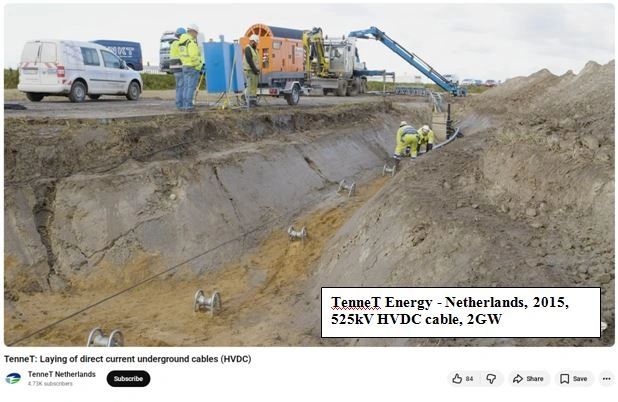
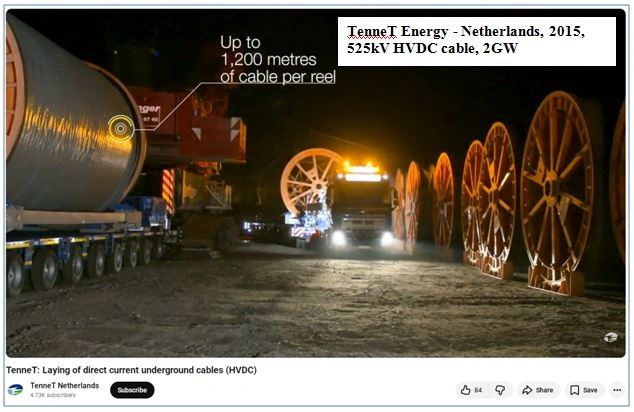
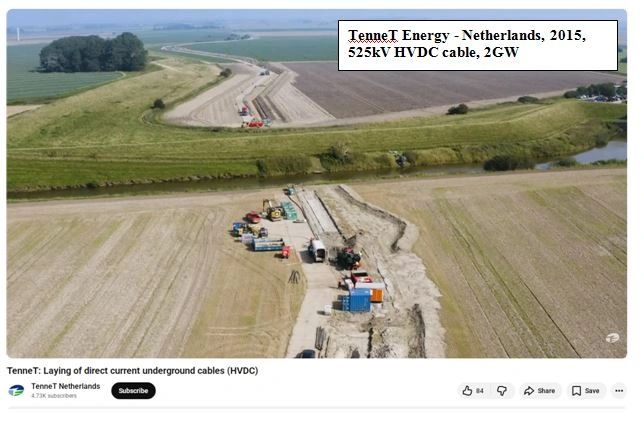
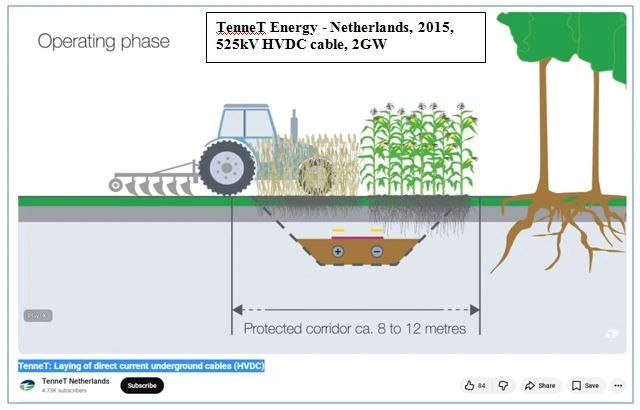
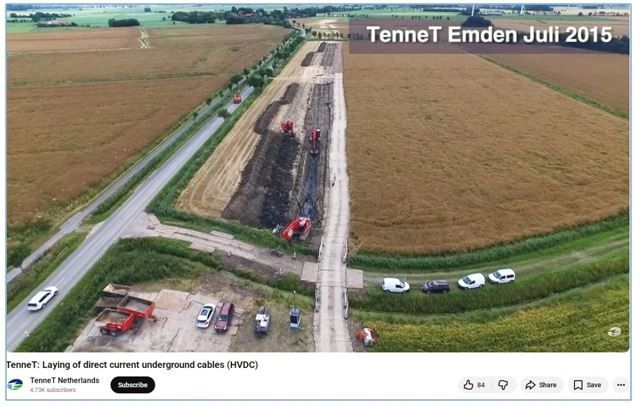
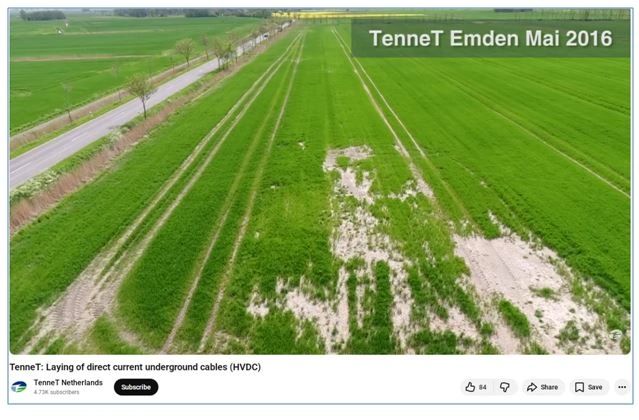
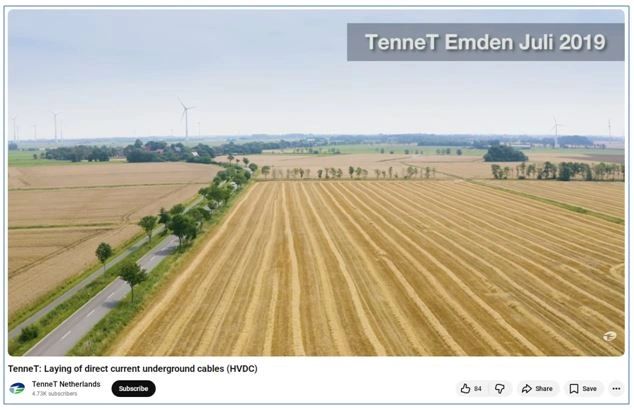
Netherlands: TenneT Energy Laying of direct current underground cables (HVDC)
TenneT energy has several thousand meters of underground and underwater HVDC cables in Germany and the Netherlands. This video is of the installation of two underground HVDC cables of 525kV for a capacity of 2GW , enough to power 5 million homes. This project was done in 2015.
2023 Fall Technical Workshop: Tutorial: HVDC Transmission
Moderator: James Okullo, Director of System Planning, ESIG
Agenda:
- Overview of HVDC Technology, its Capabilities, Use Cases, Operational and Markets Benefits, Misconceptions, Technology and Supply Chain Barriers Johannes Pfeifenberger, Principal, The Brattle Group Chandra Mohan Sonnathi, Lead HVDC Specialist, DNV
- HVDC Fundamentals and State-of-the-Art: A Vendor Perspective Eugen Starschich, Lead Engineer HVDC, Siemens Energy
- HVDC Transmission Case Study Henry Abrams, Manager, Renewable Electrical Engineering, Invenergy
- Power from the Prairie Project Economic Assessment Jinxiang Zhu, Consulting Director, Hitachi Energy
2025 11/04 PJM TEAC - Dominion 185 Mile ALL Underground HVDC
2025 11/04 PJM TEAC – Dominion 185 Mile ALL Underground HVDC
- Right-of-way width by segment: Existing Dominion ROW to be used for this project. A permanent easement, or Right-of-Way (ROW), is required for each duct bank post installation for operation and maintenance. This easement will primarily be used to limit vegetation, prevent external parties from digging into the duct bank, and to maintain or repair the lines. The physical footprint of the duct banks is assumed to be 8 feet wide. For typical operations and maintenance practice, 15-ft is added to each side of the duct banks. The total permanent new Right-of-Way necessary for the underground cable system would be 40-ft. For trench-less crossings, 150ft of ROW is needed for Horizontal Directional Drilling and 50ft of ROW is needed for Jack and Bore. At locations where splice vaults are required, the ROW will need to expand to 40-ft to accommodate the larger footprint of the system.
- PJM selected/approved this project in January of 2026 and rejected the 765kV alternatives even though the 765kV proposals were less expensive
- Project: Construct a new bipolar ±525kV HVDC transmission link between the Heritage and Mosby Substations. This HVDC link will have a total transmission capacity of 6,000 MW, with 3,000 MW to be implemented in Phase 1, and an additional 3,000 MW planned for Phase 2. Construct two converter stations, one at each substation (Heritage and Mosby), each with a capacity of 3,000 MW. Install a bipolar HVDC transmission line, approximately 185 miles in length, fully routed underground between the two substations.
- Project in-service date: 06/2032
- Terrain: 185 miles through the Piedmont region. The counties include Greensville, Dinwiddie, Chesterfield, Powhatan, Goochland, Hanover, Caroline, Spotsylvania, Stafford, Fauquier, Prince William, and Loudoun Counties. The areas range from rural, suburban to densely urban. There would be civil infrastructure, wetland and stream crossings to navigate.
- Right-of-way width by segment: Existing Dominion ROW to be used for this project. A permanent easement, or Right-of-Way (ROW), is required for each duct bank post installation for operation and maintenance. This easement will primarily be used to limit vegetation, prevent external parties from digging into the duct bank, and to maintain or repair the lines. The physical footprint of the duct banks is assumed to be 8 feet wide. For typical operations and maintenance practice, 15-ft is added to each side of the duct banks. The total permanent new Right-of-Way necessary for the underground cable system would be 40-ft. For trenchless crossings, 150ft of ROW is needed for Horizontal Directional Drilling and 50ft of ROW is needed for Jack and Bore. At locations where splice vaults are required, the ROW will need to expand to 40-ft to accommodate the larger footprint of the system.
- Each of the two required High Voltage Direct Current converter stations (built at the Heritage and Mosby substation ends) is estimated to require a land footprint of approximately 12 acres
Answers to HVDC Questions
Dominion Letter on the Merits of HVDC
LC BOS Letter to PJM Supporting Heritage to Mosby
Loudoun County Resolution Supporting the Heritage to Mosby Underground HVDC transmission line.
LC BOS Letter to PJM Supporting Heritage to Mosby
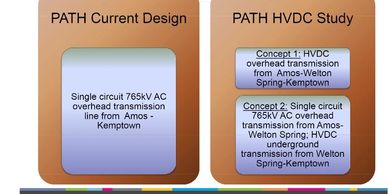
2009 10/22 PJM TEAC PATH HVDC Study
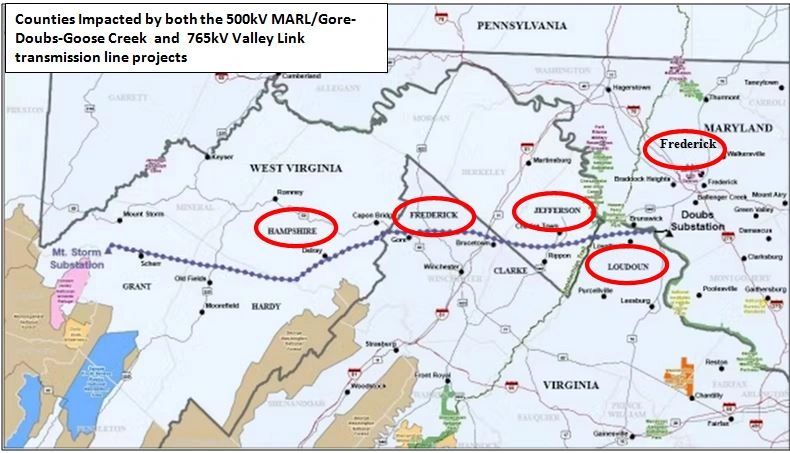
- The 765kV PATH line proposed in 2009 was to cross the same area PJM has proposed to locate MARL/Gore-Doubs-GooseCreek (500kV) and Valley Link North (765kV)
- Black & Veatch did a study for the PATH 765kV transmission line that proved underground HVDC was feasible
- The full title of that study was : Black & Veatch, “PJM Interconnection Potomac-Appalachian Transmission Highline (PATH) Project, HVDC Conceptual Study, B&V Project No.164996, B&V File 42.2004 , FINAL November 17, 2009. This was entered into the record as part of the Virginia SCC Case PUE 2009-00043 Application of PATH Allegheny Virginia Transmission Corporation.
- See Concept 2 – underground HVDC in the charts below
HVDC Feasibility Studies and Papers
2022 NextGen Highways Feasibility Study for Minnesota Department Of Transportation (pdf)
Download2022 NextGen Highways Buried HVDC Is Cost Competitive (pdf)
Download2014 ABB Review: Special Report 60 years of HVDC (pdf)
Download2023 Brattle Group: The Operational and Market Benefits of HVDC to System Operators (pdf)
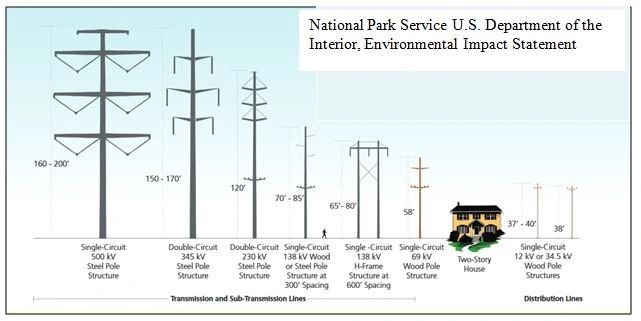
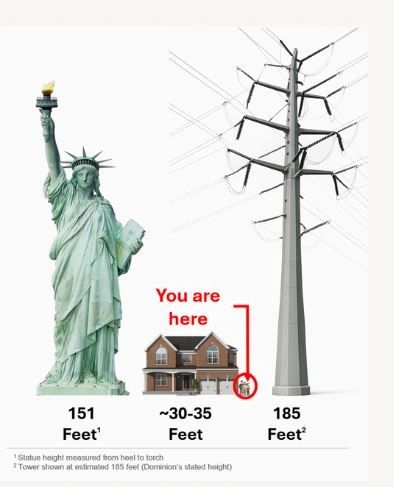
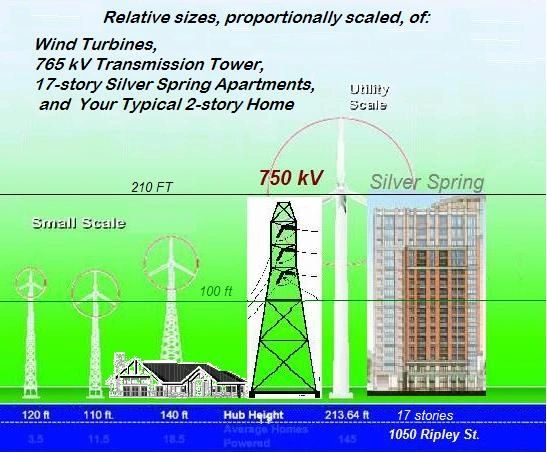
DownloadTransmission tower size compared with a house
The model compares a transmission tower with a house. Click a view button or select a distance to change the comparison. The dimensions are representative; the model is not a survey or an approved route drawing.
Side-by-side view · 250 feet from the house
Project details, maps, and documents
Click a heading below to read the project information, maps and documents. Dated reports reflect the information available when they were written.
MARL: PA, WV, VA, MD Cases Active, Gore-Doubs-GooseCreek: WV-Not Filed, VA-Not Filed, MD-Active
MID - ATLANTIC Resiliency Link (MARL) / Gore-Doubs-Goose Creek (500kV)
OVERVIEW of Mid-Atlantic Resiliency Link (MARL) 500kV / Gore - Doubs - Goose Creek (500kV)
OVERVIEW of Mid-Atlantic Resiliency Link (MARL) 500kV / Gore – Doubs – Goose Creek (500kV)
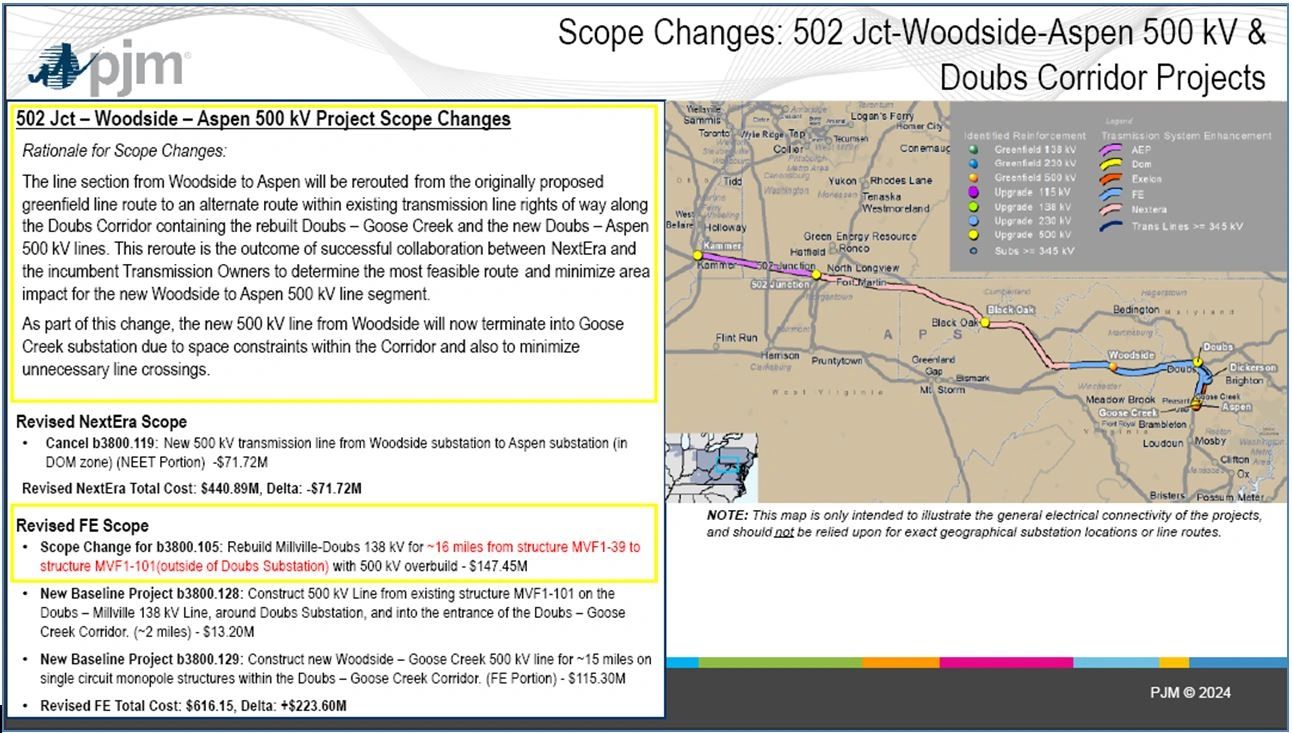
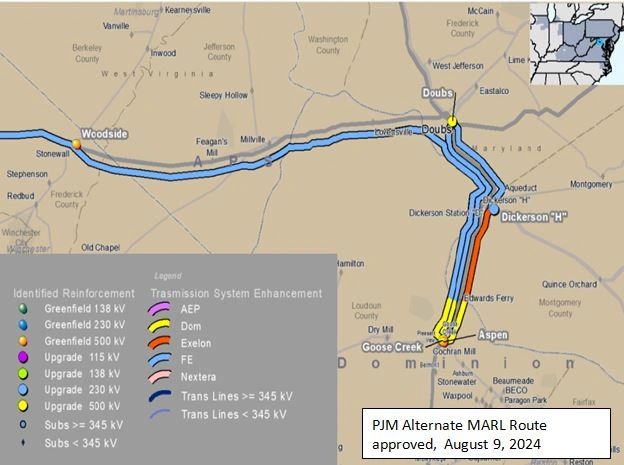
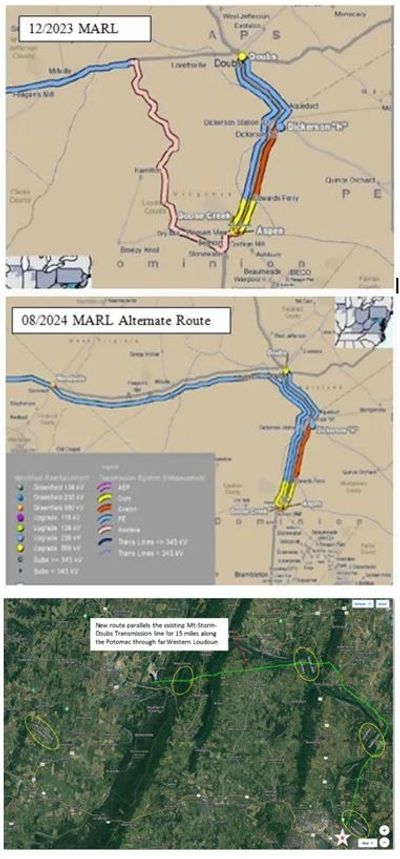
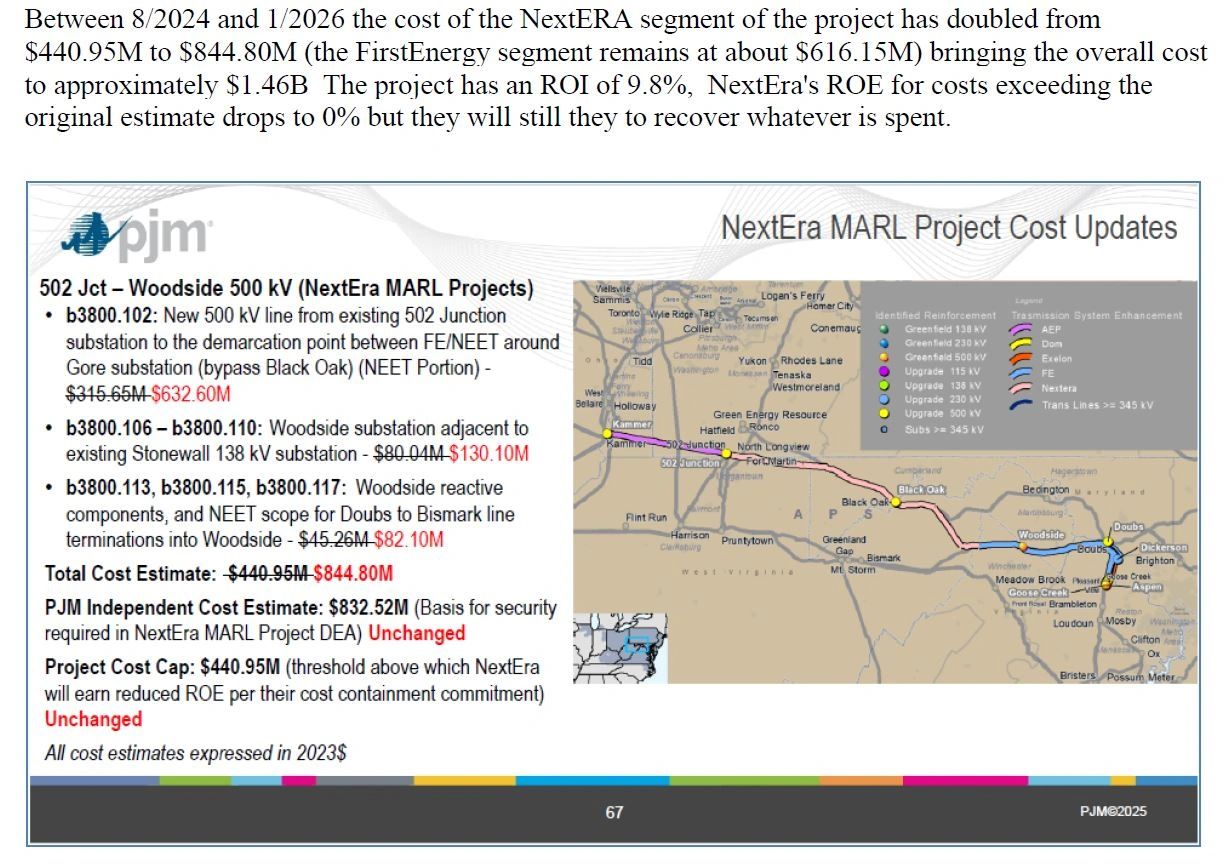
These lines are part of the over $5 billion in new transmission lines approved by PJM to support the projected 7,500 megawatts of new data centers in Northern Virginia as well as to compensate for the planned retirement of 11,000 MW of fossil fuel generation in its eastern region. This project was initially awarded to NextERA in December of 2023 at a cost of approximately $1.06B. In August of 2024, PJM accommodated a re-route requested by Loudoun County . This added $167M to the overall cost (a 20% increase) bringing the total to $1.2B. At that time project was split into three segments and assigned to NextERA, First Energy and Dominion Energy. In January of of 2026 the cost of the NextERA segment of the project doubled from $440.95M to $844.80M, bringing the total cost of the project to $1.63B . This is before applying the 9.8% incentive rate awarded by FERC.
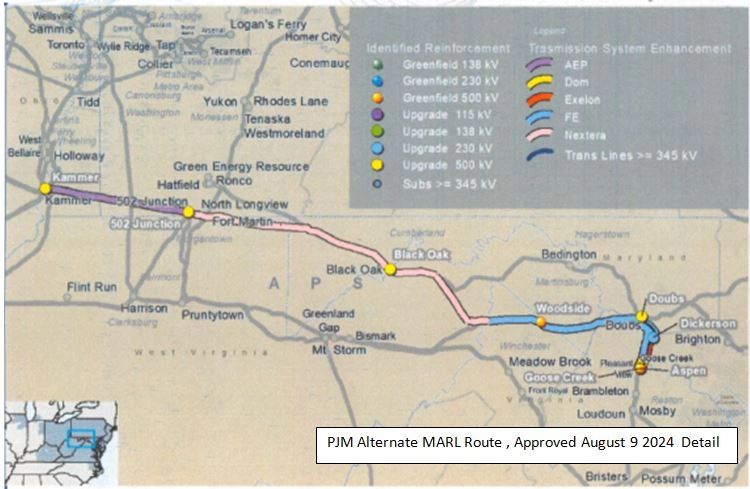
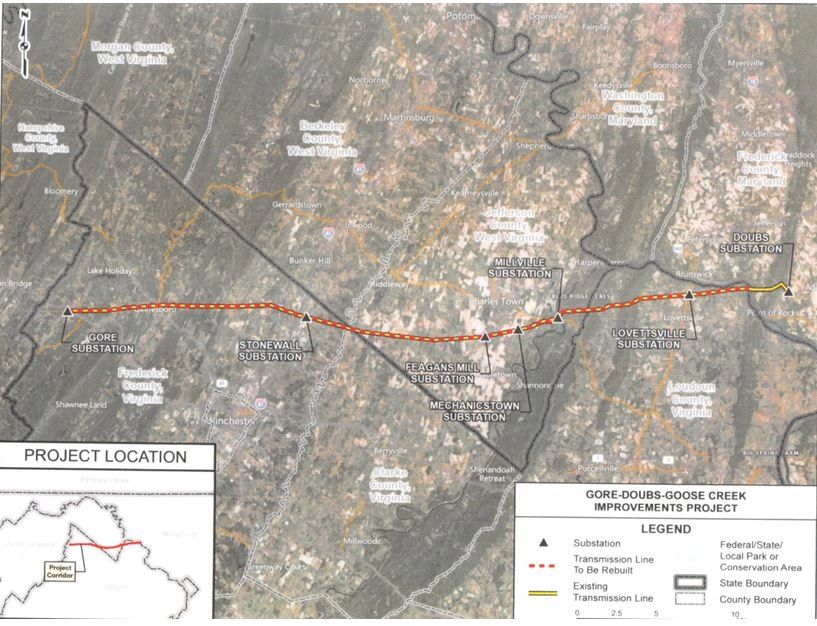
The MARL/Gore-Doube-GooseCreek line starts at the 502 Junction and is a giant 154 mile extension cord from West Virginia’s coal fired plants – specifically the Fort Martin Power Station, Harrison Power Station and the Mitchell Power Station – into the ‘heart’ of Loudoun County’s data center alley in Northern Virginia. All three of these generators are coal-fired and together total nearly 5,000 MW of capacity and according to PJM have excess capacity that can be tapped to support the development of new data centers (@117 )and expansion of the existing 200 data centers. Four transmission companies will be building segments of this line : NextERA, FirstEnergy, Potomac Edison and Dominion across four states.
Both of the First Energy of power plants are reaching the end of their useful life within the next 10 to 15 years, at best this is a partial / temporary solution to the present energy shortfall in Virginia’s data center region. A better solution would be for the Data Centers to locate closer to the generation plants with excess capacity or to build additional generation in Virginia to meet the demand. PJM doesn’t have a transmission reliability issue, the region has a lack of base load generation in Virginia issue.
If approved in all 4 states, this line will traverse : 3 Counties in Virginia: Frederick, Clarke and Loudoun; 2 Counties in Pennsylvania: Greene and Fayette; 5 counties in West Virginia : Preston, Monongahela, Mineral, Hampshire and Jefferson; 4 Counties in Maryland: Garrett, Allegheny, Frederick and Montgomery
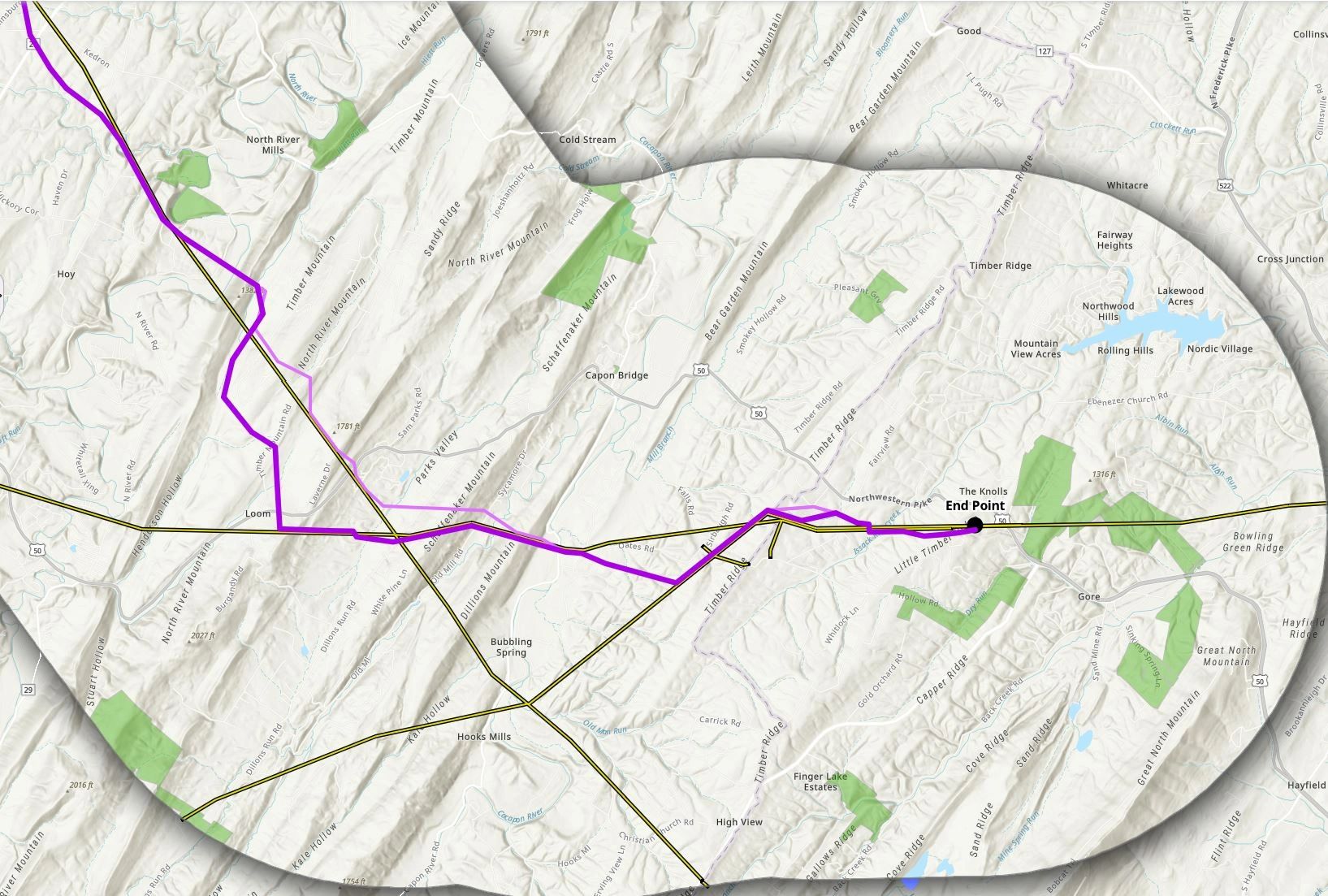
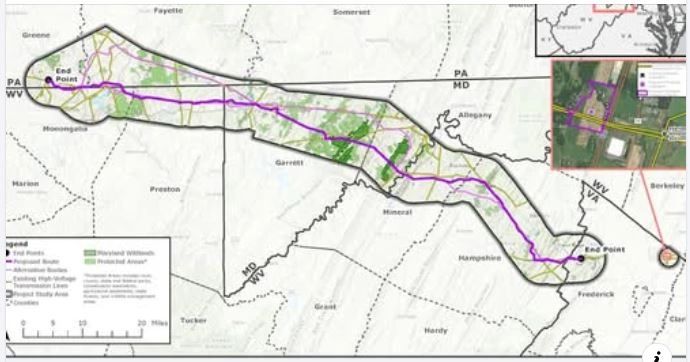
NextERA ‘s 107.5 mile portion of the transmission line in a new 200’ easement (takings of at least 2,6690 acres of private property) and a new substation (Woodside) is called Mid-Atlantic Resiliency Link (MARL) Next ERA Project Maps can be found here: MARL Project Map
This segment runs through :
- 2 Counties in Pennsylvania: Green and Fayette counties, 10.7 miles
- 4 Counties in West Virginia 58.9 miles : Preston (15.8), Monongahela(5.9), Mineral(10.9), Hampshire (26.2)
- 1 County in Virginia: Frederick County , 2.4 miles
- 2 Counties in Maryland: Garrett and Allegheny counties, 35.4 miles
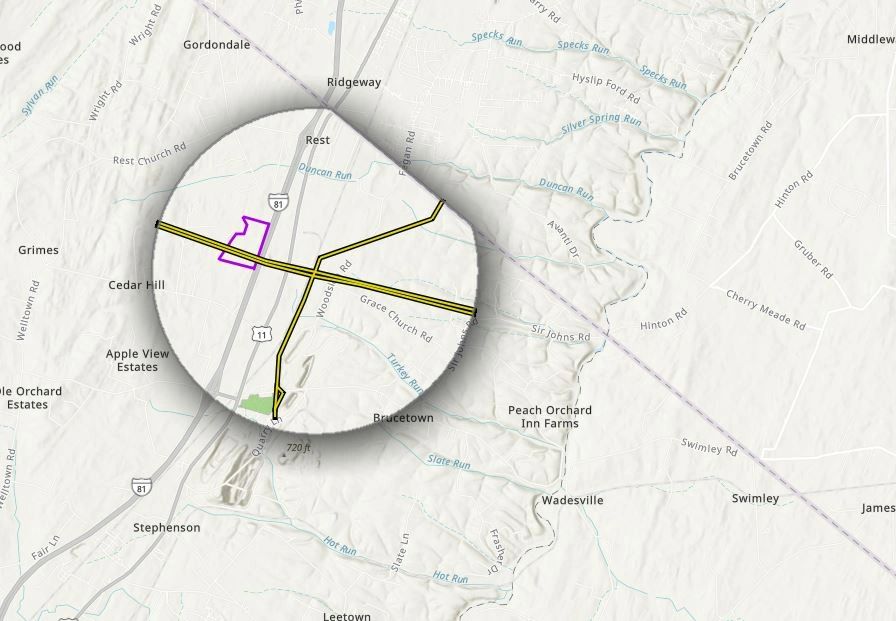
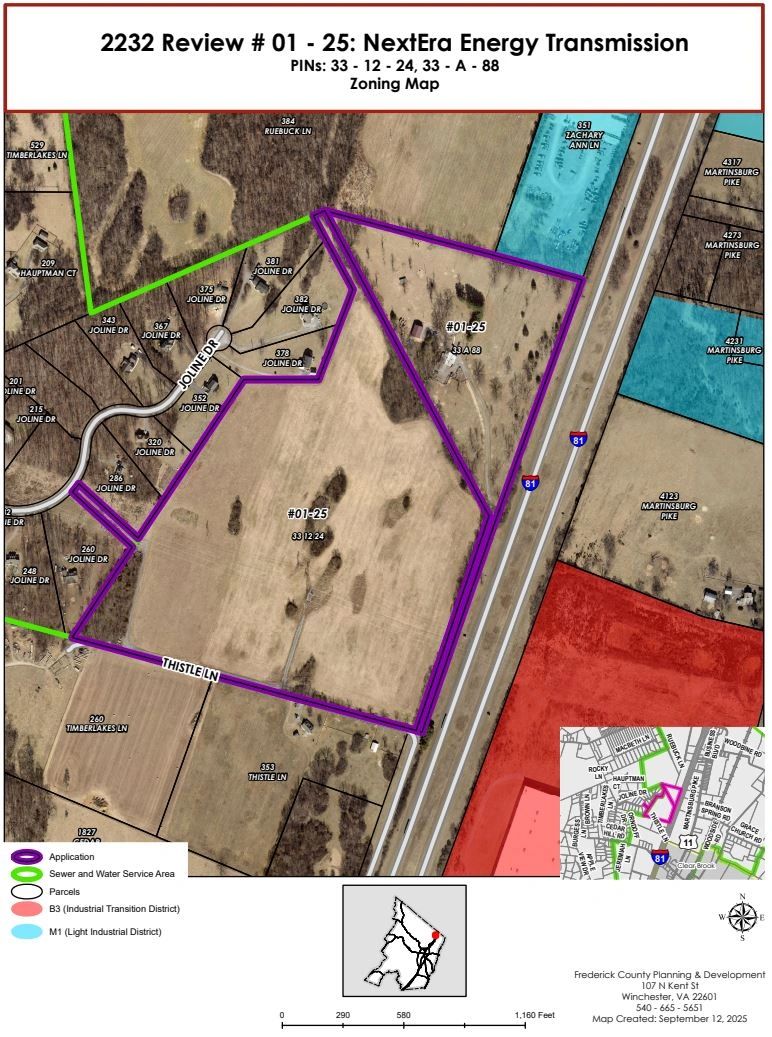
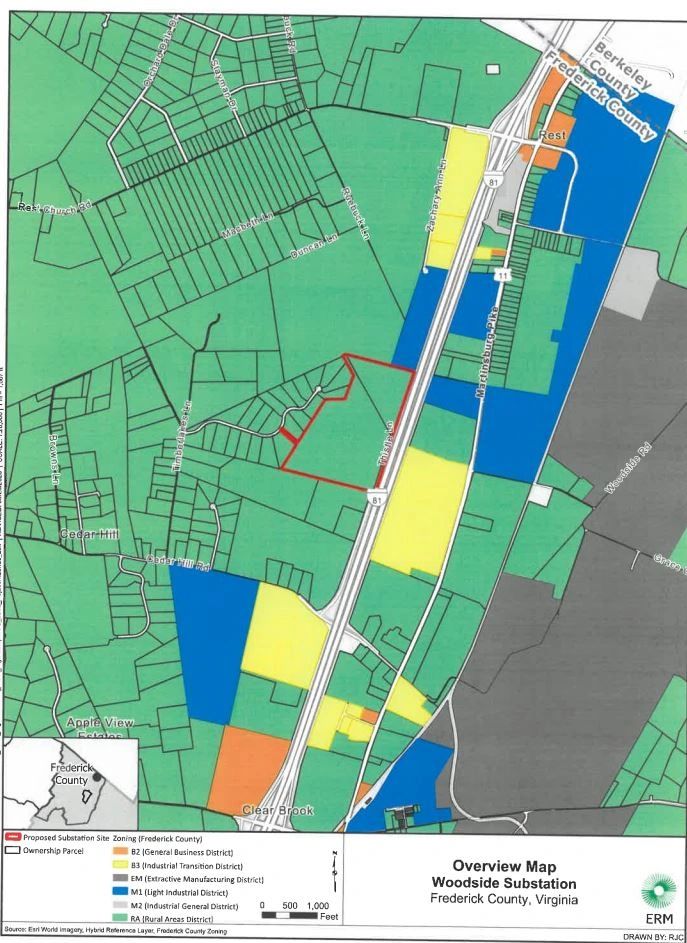
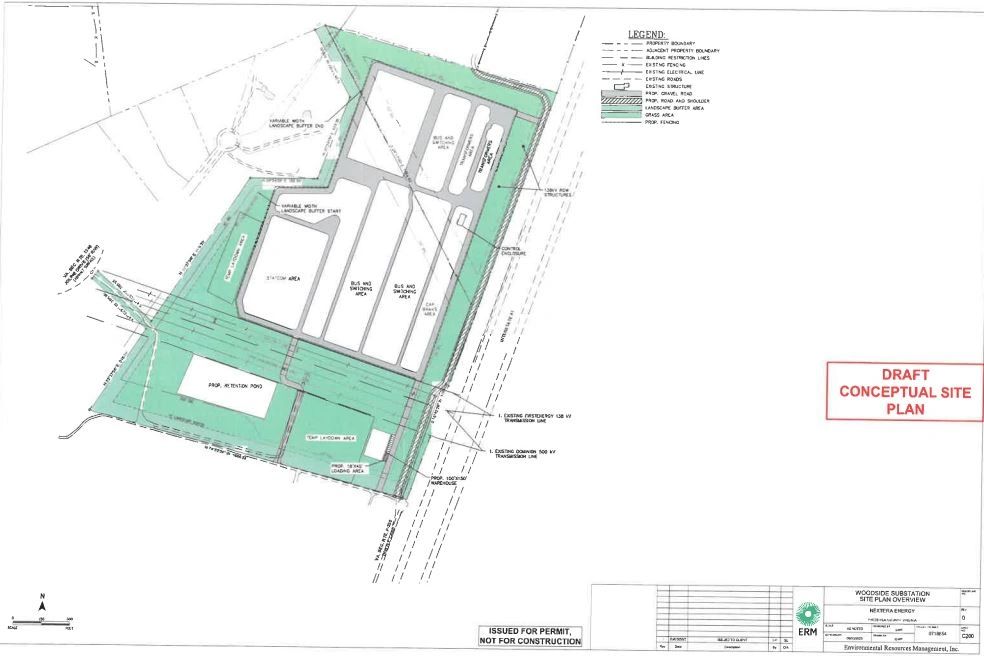
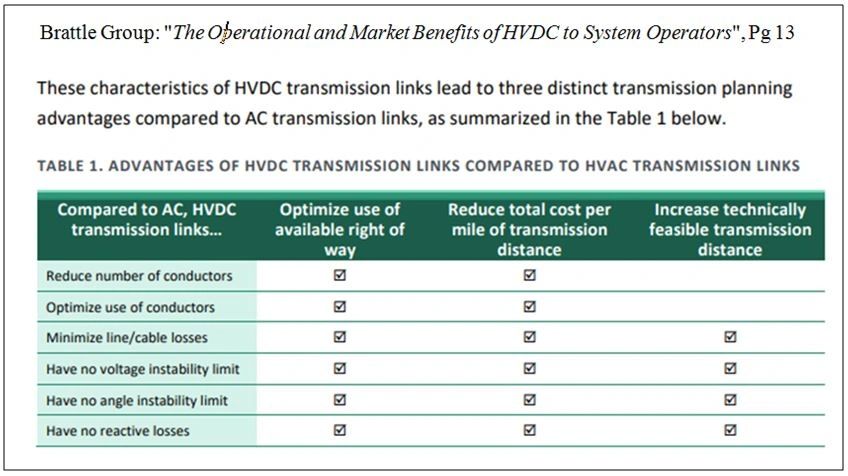
The Woodside substation proposed to be in Clear Brook, is part of NextERA’s portion of the MARL / Gore-Doubs-Goose Creek Project. This proposed 500kV transmission substation is to manage / maintain the voltage level of the MARL/Gore-Doubs-Goose Creek line to compensate for the voltage losses that HVAC transmission lines incur over large distances.
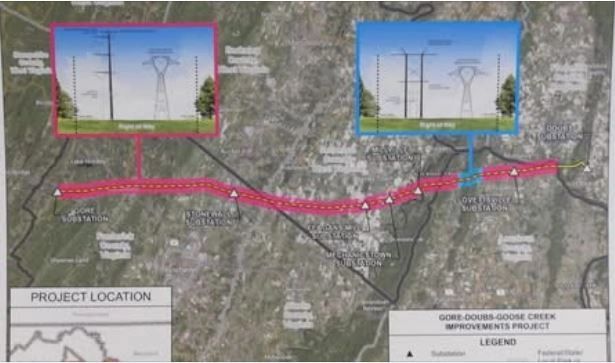
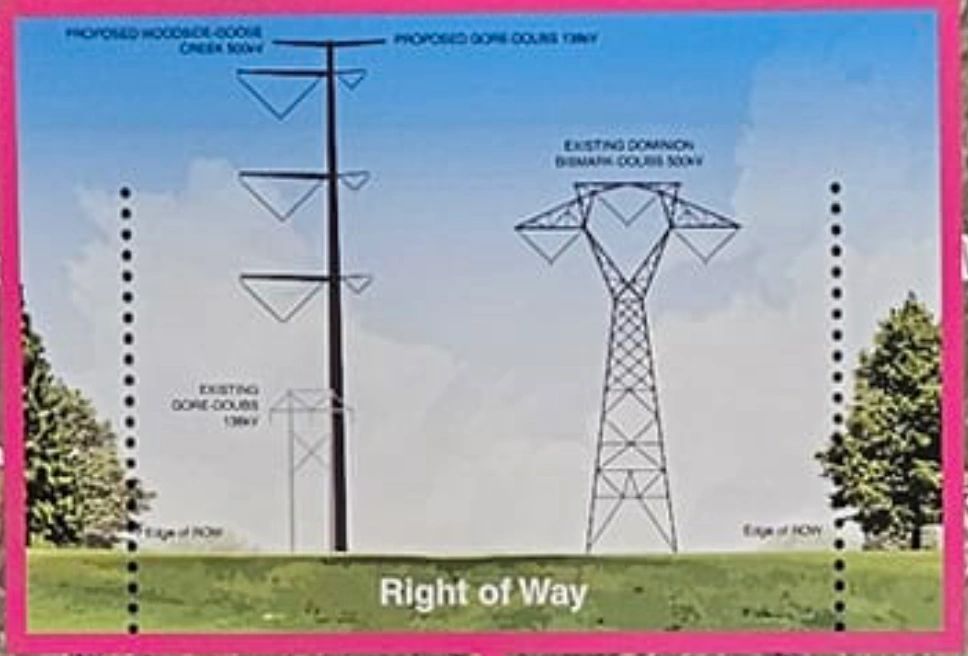
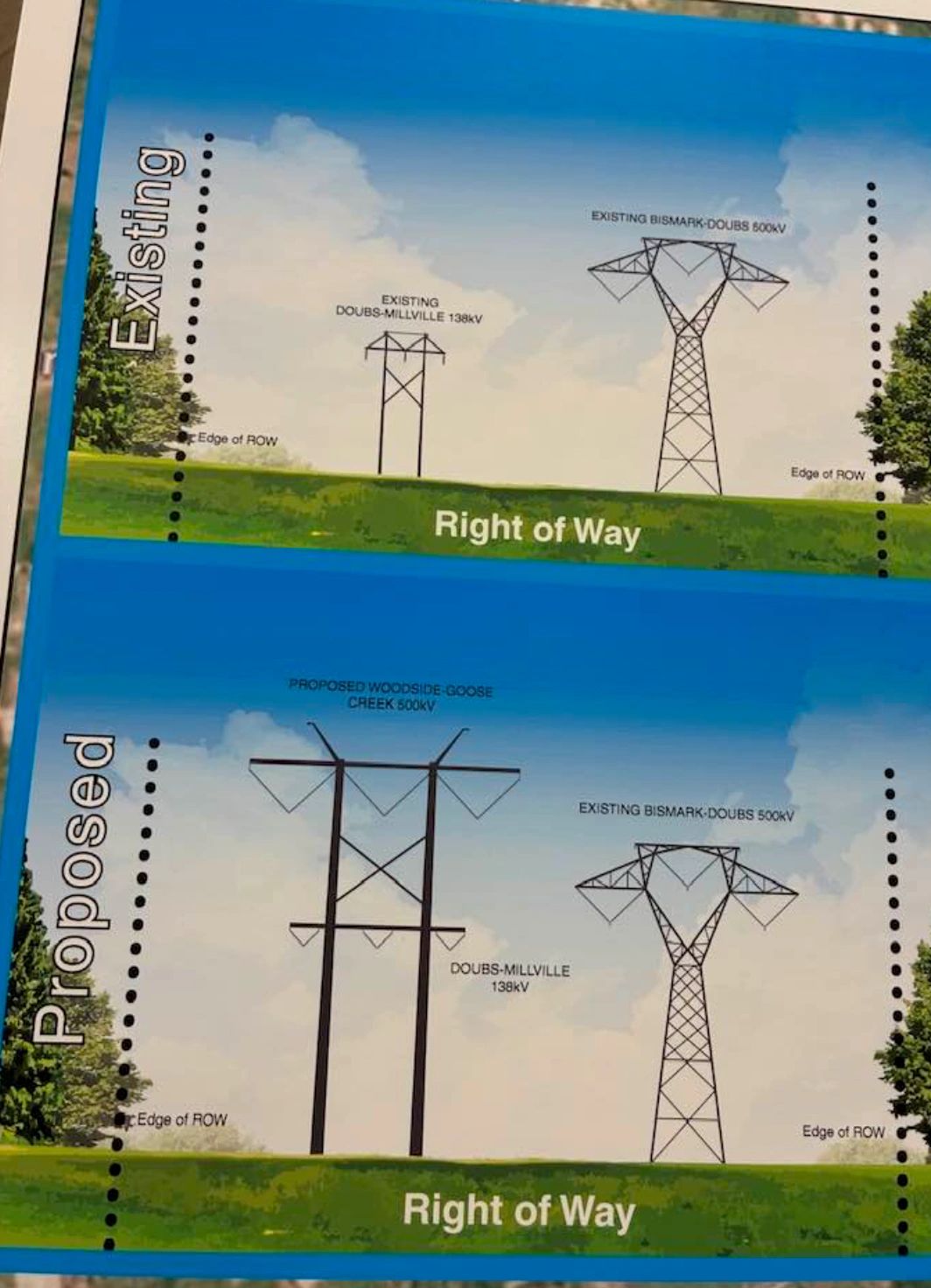
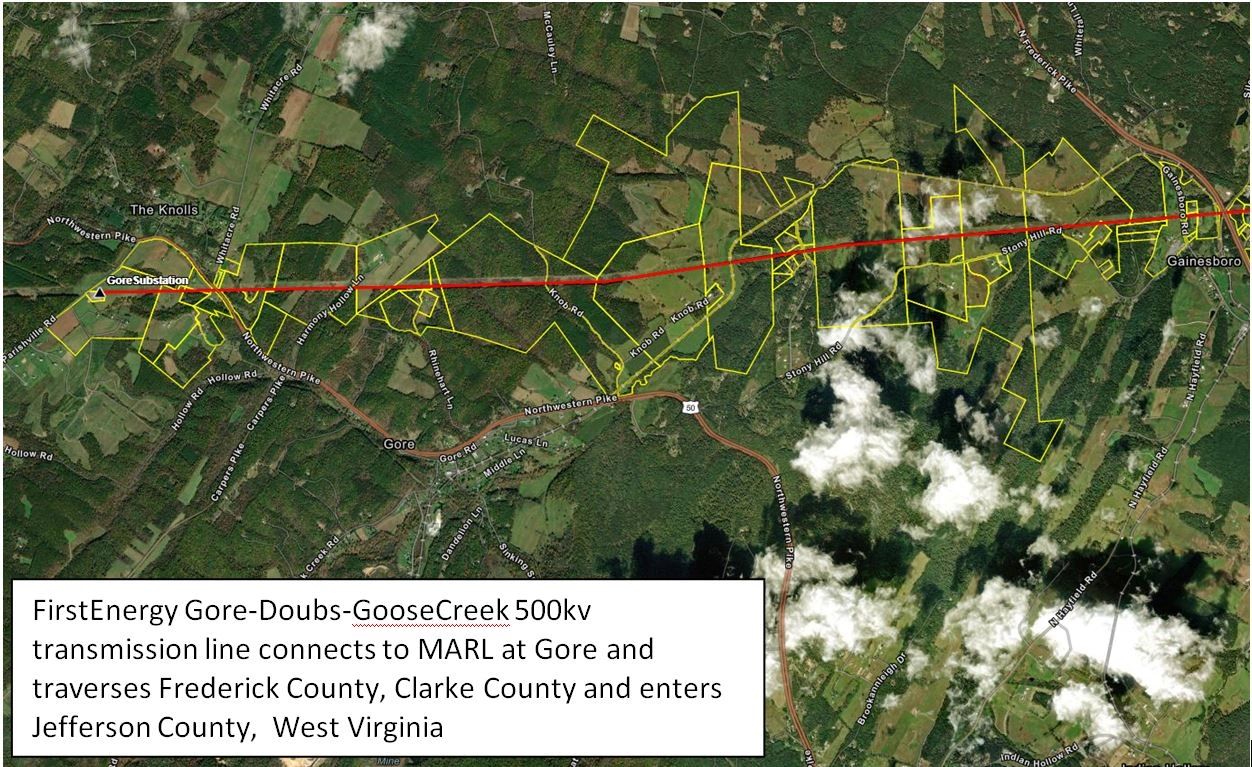
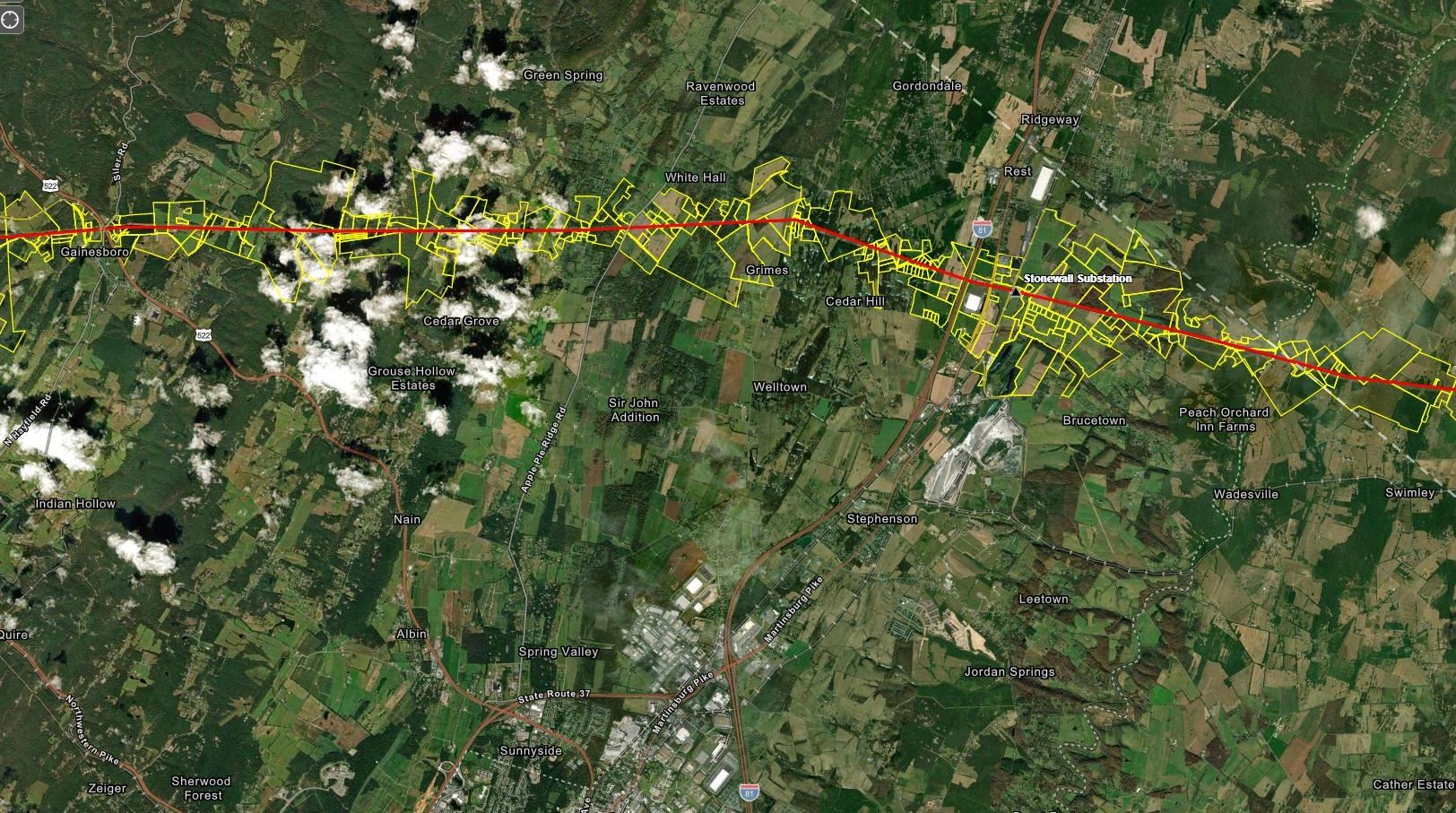
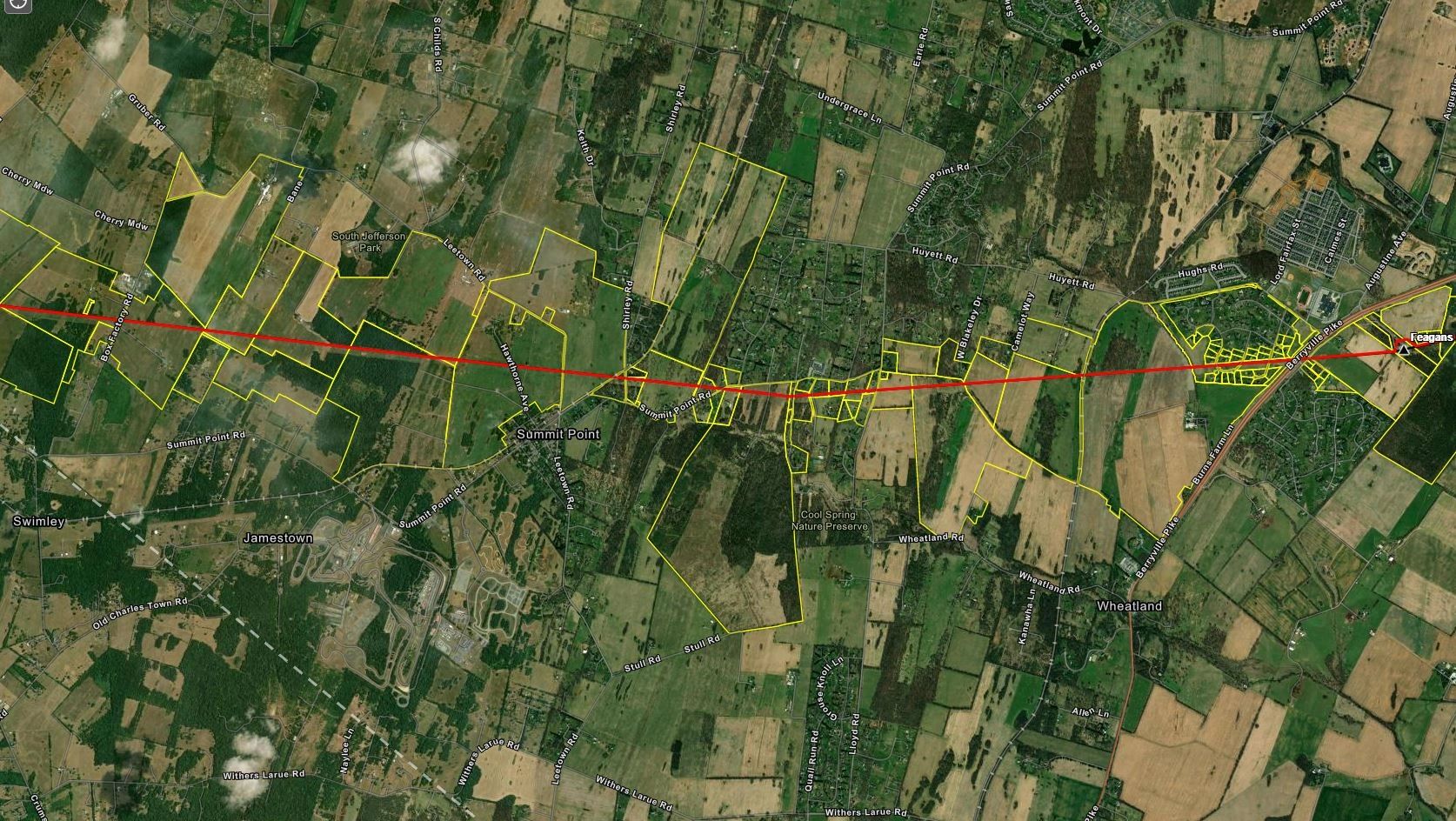
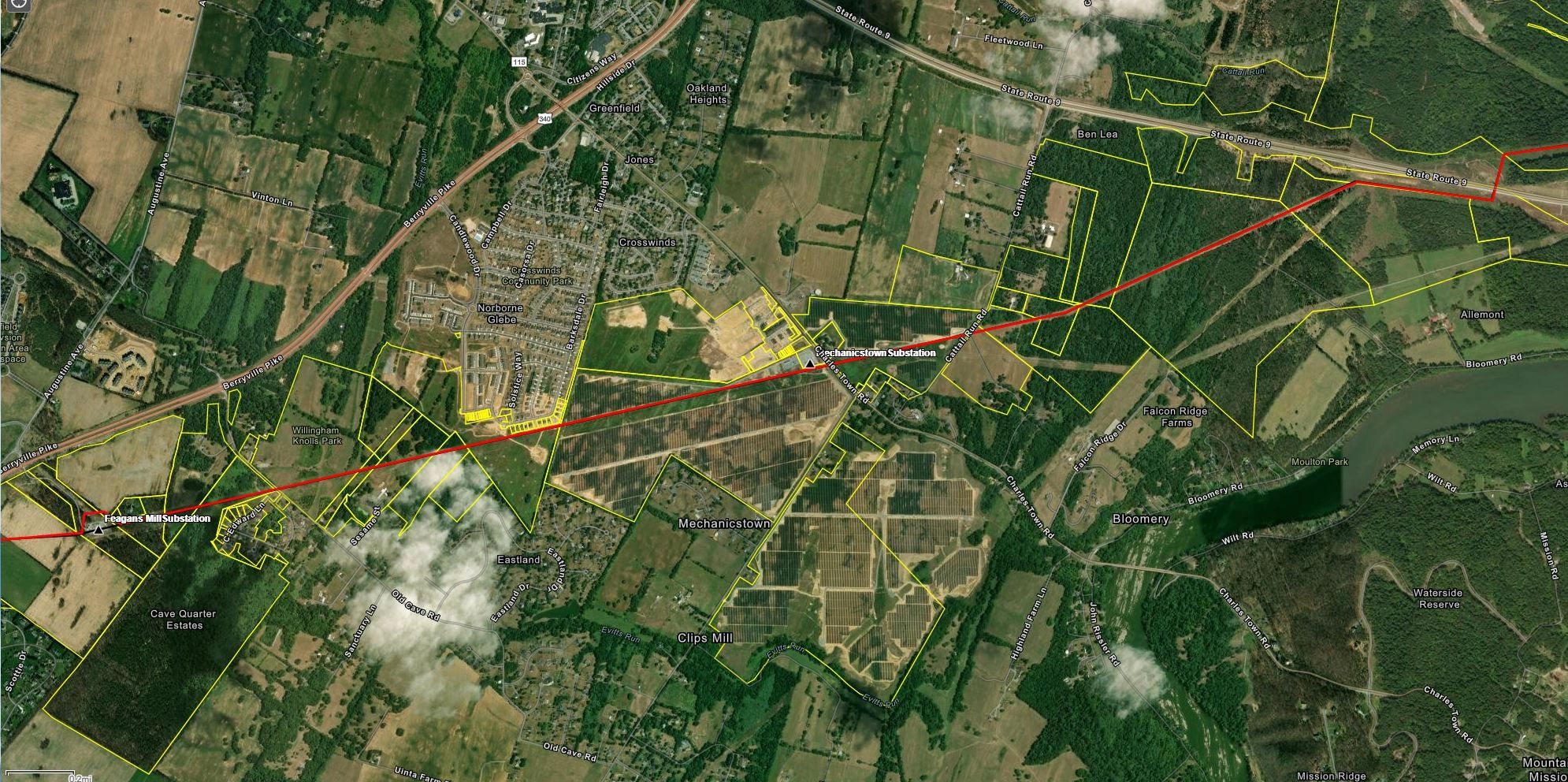
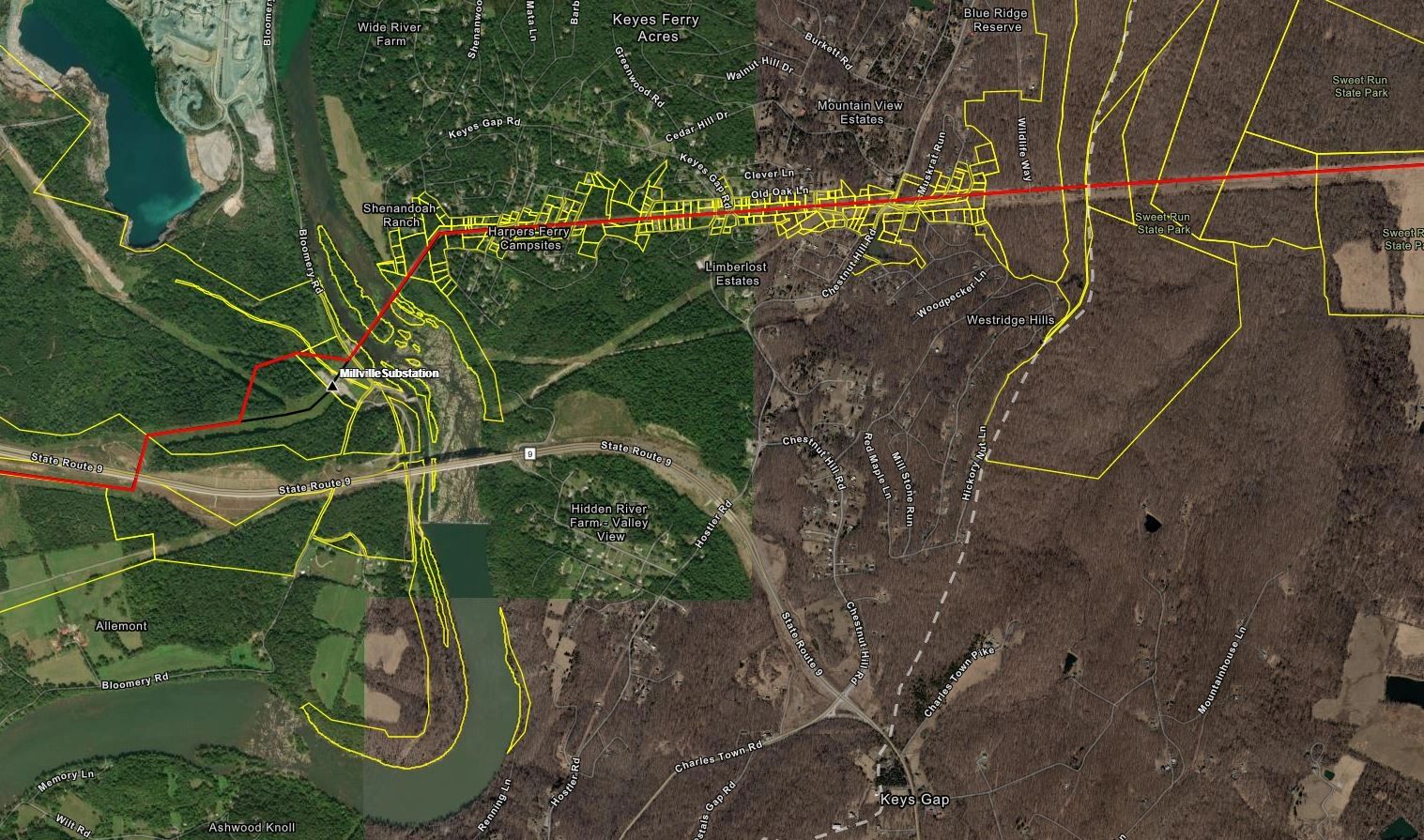
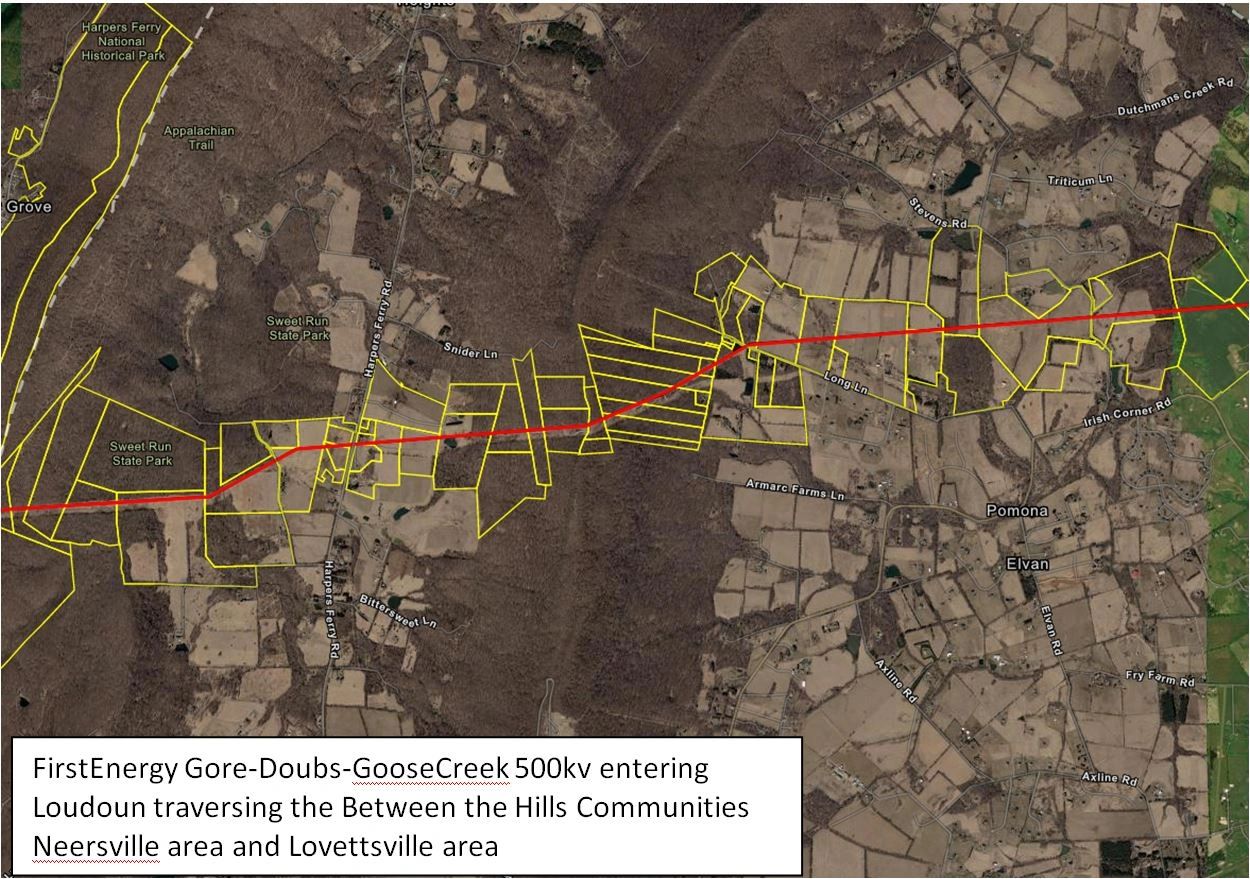
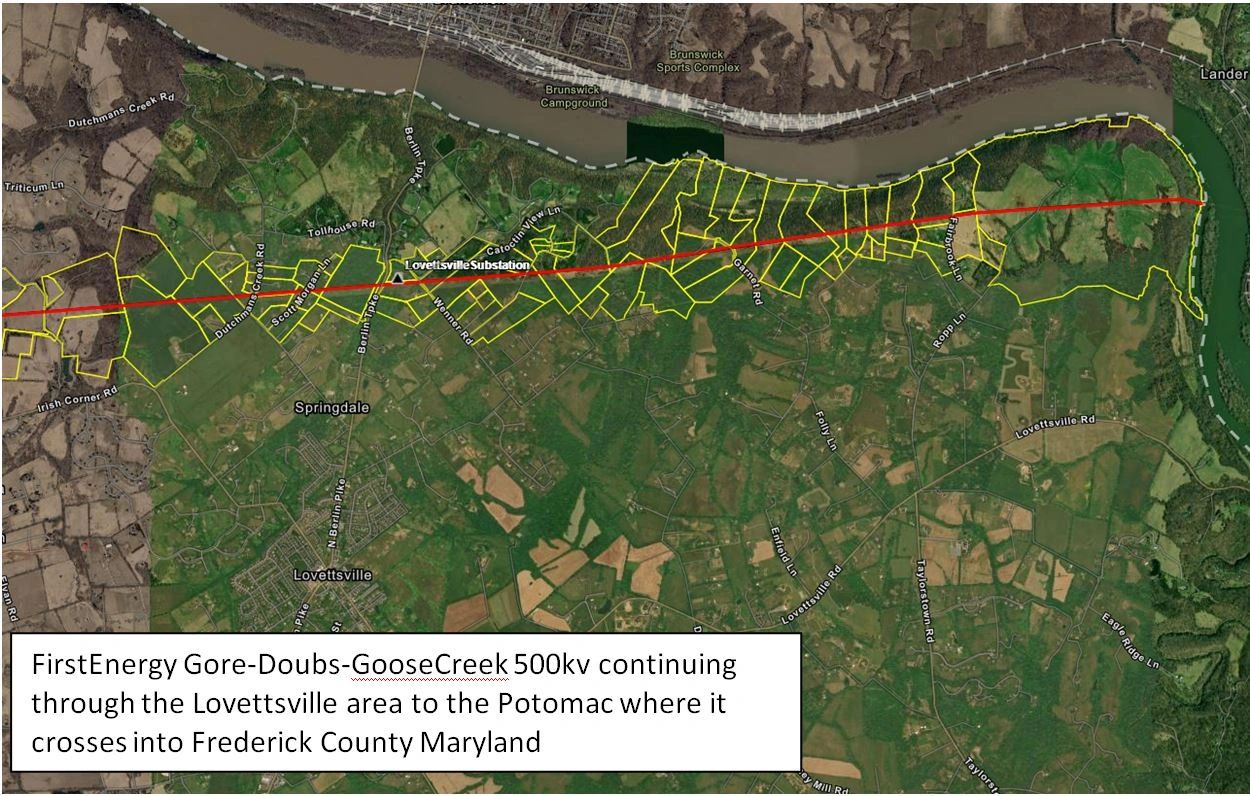
First Energy’s 44 mile portion, proposed to be within the existing easement (some easements may need to be expanded), with new 150′ – 200′ easements through some areas, called Gore-Doubs-Goose Creek it traverses :
- 1 County in West Virginia: Jefferson
- 3 Counties in Virginia: Frederick, Clarke and Loudoun
First Energy Project Maps can be found here:
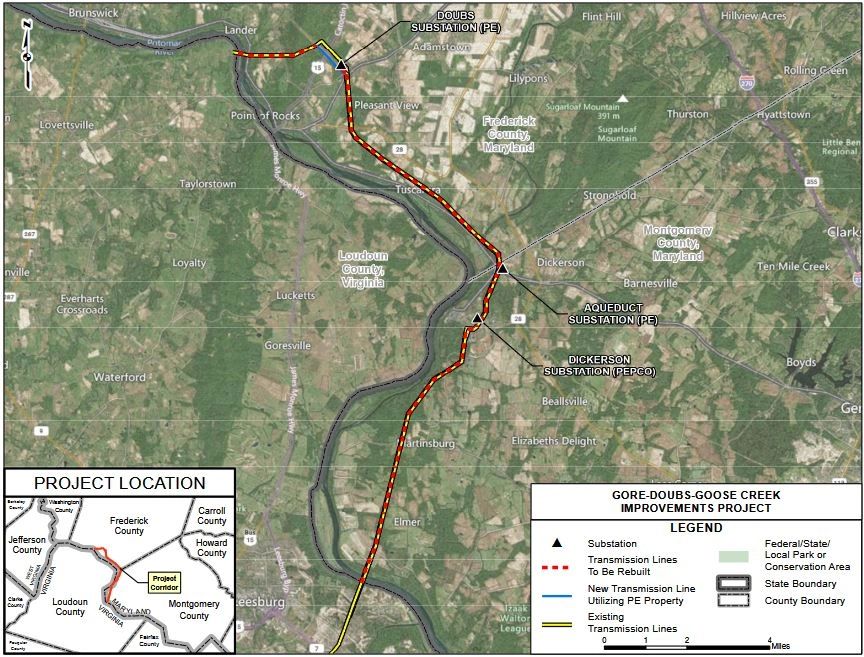
Note for Frederick and Montgomery properties in Maryland, south of Doubs – the project will result in there being 3 – 500kV and 2 – 230 lines in the ROW:
- The Maryland Fact Sheet says : “Removing two side-by-side structures that support an existing 500-kV line and two existing 230-kV lines and installing three side by-side structures that will support five lines (the existing lines plus two new 500-kV lines) for approximately eight miles.”
Dominion Energy is building a segment in eastern Loudoun from the Potomac River to the Golden Substation this segment is approximately 3 miles and will be entirely within the existing easement. This piece is part of the Line #514 Corridor Upgrades which replaces the one 60 year old 500Kv line with three 500kV lines.
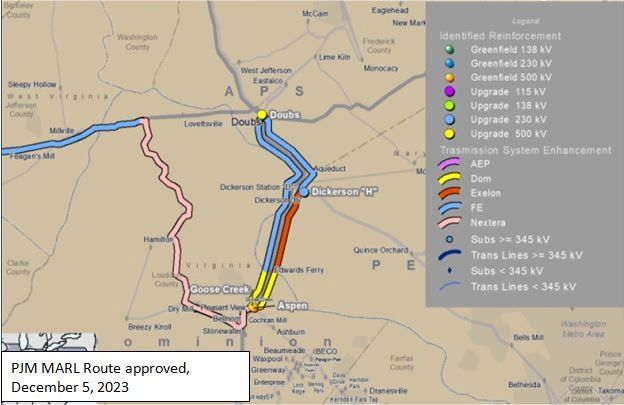
At the request of Loudoun County, PJM moved a portion of the transmission line farther out into north western Loudoun County and into Maryland. The Alternate MARL Route was approved by PJM in August of 2024, this route crosses 11 miles of Northwestern Loudoun along the Potomac River, crosses the Potomac River into Maryland and runs through Frederick and Montgomery counties in Maryland before crossing the Potomac River back into Eastern Loudoun County near Ashburn, home to Data Center Alley. This added $167M in cost (20% increase) , pushed the in-service date to 2032 , added and assigned the additional segments First Energy.
This transmission line will also cross the Monongahela National Forest, Appalachian National Scenic Trail, Chesapeake & Ohio Canal National Historical Park, Harper’s Ferry National Historical Park, Potomac Heritage National Scenic Trail and it will run parallel down the view shed of the Potomac River.
What You Can Do
If your property is impacted, see Virginia, West Virginia, Maryland or Pennsylvania for links to the applicable state processes and procedures in your state as well as opposition groups. You do NOT need a lawyer you can intervene “pro se” and represent yourself
There will be 8 transmission permitting cases across 4 states! There is no Federal backstop for this project. If one state denies the line it will not be built!
Pennsylvania : See Pennsylvania Case Details
1) NextERA – MARL
Impacts : Green County & Fayette Counties
PA PUC Case #: A-2026-3060856
Status: Filed 3/3/2026, Active
West Virginia: See West VA Case Details
2) NextERA – MARL
Impacts: Preston, Monongahela, Mineral &
Hampshire Counties
WV PSC MARL Case: 26-0075-E-CN
- Submit Comments here
Status: Filed 1/30/2026, Active
3) First Energy – Gore – Doubs – Goose Creek
Impacts: Jefferson County
WVA PSC #: NOIE Potomac Edison 25D
- Submit Comments here
Status: NOIE Renewed
Submit comments for BOTH West VA cases its the same line!
Virginia: See Virginia Case Details
4) NextERA – MARL
Impacts: Frederick County
VA SCC Case Number: PUR-2026-00018
- Submit comments here
Status: Active
5) First Energy – Gore – Doubs – Goose Creek
Impacts: Frederick, Clarke & Loudoun Counties
VA SCC Case Number: TBD
Status: Application Has Not Been filed
6) Dominion – Line #514 Corridor Upgrades
Impacts: Eastern Loudoun County
VA SCC Case Number: PUR-2026-00076
Status: Active
Maryland: See Maryland Case Details
7) NextERA – MARL
Impacts: Garrett And Allegheny Counties
MD PSC Case Number: 9857
Status: Active
8) First Energy – Gore – Doubs – Goose Creek
Impacts: Frederick & Montgomery Counties
MD PSC Case Number: 9870
Status: Active
There is no federal backstop for siting this line. If any one of the states denies it the transmission line will not be built.
Electro-Magnetic Fields Research: papers, articles & links to websites
Alternatives To MARL/Gore-doubs-goosecreek Transmission Line
Underground High Voltage Direct Current (HVDC)
HVDC lines can be buried underground in a right of way that is only 5ft wide by 5ft deep and can be used for both long and short distances. In 2022 NextGen Highways did a feasibility study for Minnesota Department of Transportation for Buried High Voltage Direct Current Transmission. The study indicated the price has come down significantly and the installation space is smaller now. The study concluded buried HVDC is cost competitive.
Read more at NextGen Highways
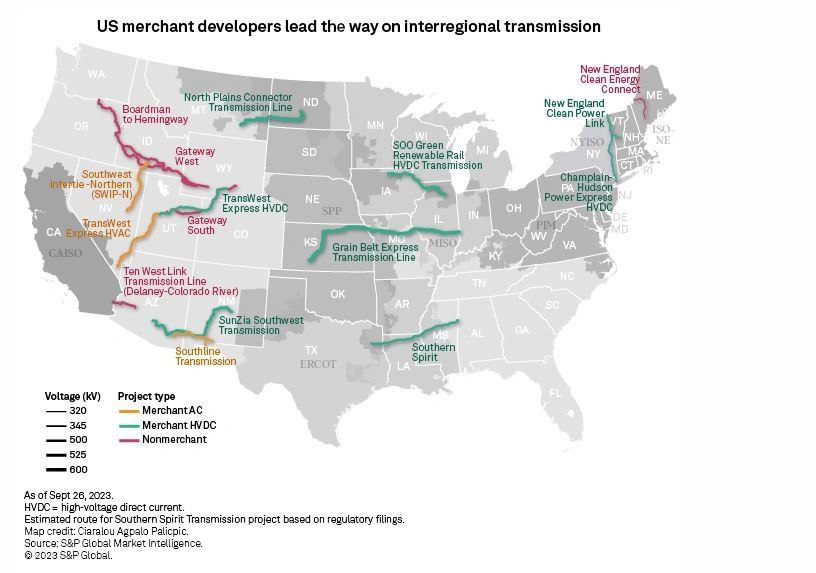
There are about seven recent HVDC transmission projects on the United States many of which are either entirely underground or contain significant segments that are buried.
Read More About Underground HVDCPATH High Voltage Direct Current (HVDC) Study
Underground High Voltage Direct Current (HVDC)
In 2009 During the PATH Case PJM Commissioned Black & Veatch to do a High Voltage Direct Current (HVDC ) Study to look at an underground alternative to the overhead 765kV HVAC transmission line.
There were two concepts. Concept 2 was to use HVDC Underground along the Mt Storm – Doubs line through Jefferson County, West VA and Loudoun County , VA and into Frederick , MD from Welton Springs to Kemptown, Maryland.
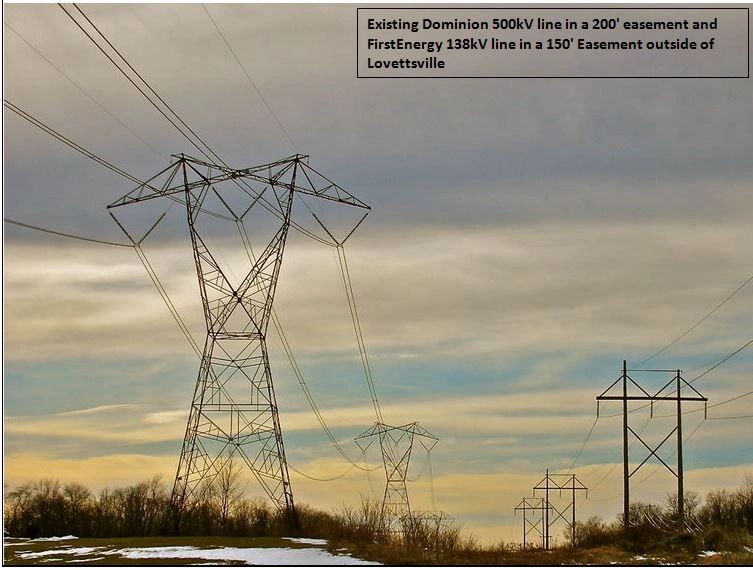
The same location PJM has proposed to locate MARL (500kV) and Valley Link (765kV) through Jefferson County, West VA and the Lovettsville / Neersville Area in Loudoun County
It would have cost 2x the overhead 765kV option back in 2009. Underground HVDC is much cheaper than underground HVAC . Underground HVAC cannot be used for long distances , HVDC can. Also HVDC does not have the Electro-Magnetic Field (EMF) health issues that HVAC does.
There is no reason for pushing multiple massive 765kV and 500kV lines across thousands of acres of private property. When the technology exists to put the lines underground. Data centers
PJM needs to be required to do an HVDC study for its multi-state transmission lines Valley Link and the MARL/Gore-Doubs-GooseCreek transmission lines in particular!
Read The 2009 PJM TEAC HVDC Study ChartsAlternate Routes Along Highways
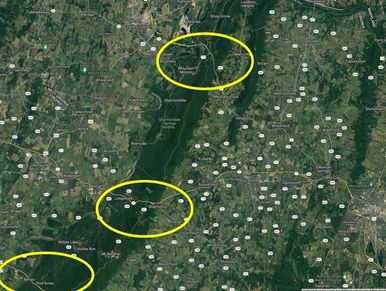
One of the reasons for the selected primary route for the MARL transmission line is to use an existing Appalachian Trail crossing. There are three highways (Route 7, Route 9 and Route 50) that also cross the Appalachian Trail to the south / south west of the existing Mt. Storm – Doubs transmission line crossing. “Data Center Alley” – the destination for all this power is on Route 7.
Additionally, both Route 7 and Route 9 run directly to / towards “Data Center Alley”. Using highway easements of any one of these would avoid taking private property to host the MARL transmission line. NextGen Highways advocates for using existing highway ROWs to co-locate infrastructure such as transmission lines, they can be contracted with to study the feasibility of routing transmission lines along highways.
In 2022 NextGen Highways did a feasibility study for Minnesota Department of Transportation for Buried High Voltage Direct Current Transmission. The study concluded buried HVDC is cost competitive.
Read More Alternate Sites Along Highways
MARL/Gore-Doubs-Goose Creek Environmental Impacts
This proposal impacts the Monongahela National Forest, Appalachian National Scenic Trail, Chesapeake & Ohio Canal National Historical Park, Harpers Ferry National Historical Park,Potomac Heritage National Scenic Trail and it will run parallel down the view shed of the Potomac River and will severely impact / destroy the scenic and historic value of these assets.
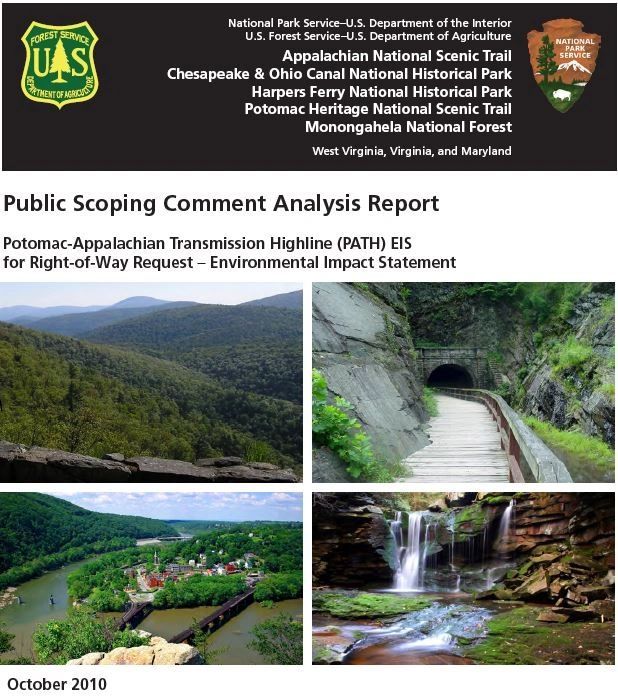
The MARL/ Gore Doubs-GooseCreek project follows a portion of the same route as the 2010 PATH Transmission line (which was defeated) along the Mt-Storm – Doubs transmission line through West VA and Virginia into Maryland. In 2010 National Park Service did a scoping analysis and an Environmental Impact Statement .
In addition , the segment through Garrett and Allegheny Counties in Maryland expands the easements in Big Savage Mountain Wildland and Bear Pen Wildland by 200′ and adds a new 200′ easement through Dan’s Mountain Wildland (See comments to the MD General Assembly below)
Download National Parks Service Scoping Study PDF
PJM MARL / Gore-DoubS-Goose Creek(500kv) RTEP Documents
These are the sections from the PJM Regional Transmission Expansion Plan (RTEP) for MARL/Gore-Doubs-Goose Creek. PJM is the Regional Transmission Organisation (RTO) that covers Virginia, West Virginia, Pennsylvania and Maryland. This organisation manages the grid and the planning process for interstate transmission lines as well as overseeing the capacity market for the region. The PJM Board Of Managers approves the transmission line proposals at the regional level and then the proposals go to the states to approve.
7/9/2024 Item 10 Reliability Analysis Update – MARL Alternative See Pgs 42-44 (pdf)
Download12/5/2023 Item 15 Reliability Analysis Update 2022 Window 3 (pdf)
Download
MARL/GORE-DOUBS-GOOSE CREEK POSTS FROM OTHER Groups
2026 4/20 Are You Paying For MARL’s Propaganda?
2026 1/6 NextERA’s Costs Skyrocket
2025 12/12 NextERA’s MARL AstroTurf
2025 10/20 The Facts About MARL Are Clear
2025 8/28 How to Respond To A transmission Company’s Notice Of Intent
2025 8/27 MARL and Gore-Doubs-Goose Creek are the SAME project!
2025 7/29 Whats a Transmission Open House?
2025 6/15 And YOU Get a Substation , and YOU get a substation, and ….
2025 6/5 First Energy Transmission Open House
2025 5/30 West Virginians Could Pay More than $440M for New Transmission Lines
2025 5/29 IEEFA Study: West Virginia ratepayers footing the bill for Infrastructure Buildout
2025 5/22 Checking NextERA’S Math
2025 4/16 Just Say NO to Utility Representatives Sneaking Around Jefferson County
2024 8/21 Loudoun Pushes Data Center Burden Onto Neighboring States
2024 7/15 PJM Sets A Precedent
2024 7/3 First Energy Files For Incentives for MARL, Delays Project
2024 4/10 As The Dollar Turns: Episode 2
2024 2/12 Dirty Northern VA Data Centers Cause Failure To Meet Climate Goals
2024 2/11 PJM Charges Ratepayers In Other States For Data Center Extension Cords
2024 1/24 The Meaning Of Collaboration
2023 12/16 NextEra Files For Rate Incentives for MARL
Mid-Atlantic Resiliency Link (MARL) => Alternate Route MARL the History
A bit of history on the MARL/Gore-Doubs-GooseCreek Project. The MARL project approved by PJM in December of 2023, included a greenfield route entirely contained within Loudoun County, Virginia . The project route, at that time, did not cross the Potomac River and run through Frederick and Montgomery counties and back across the Potomac River into Data Center Alley.
StopMARLVirginia proposed alternate routes down highways from West VA that connect to Route 7, and down Route 7 which leads directly to the center of “Data Center Alley”, or alternately underground HVDC, as had been investigated for the PATH project. But we did not have a seat at the negotiating table as we are in the vicinity of the “alternative route” preferred by Loudoun County’s BOS.
To make a long story short, PJM accommodated Loudoun County’s elected officials preferences for local routing and re-configured the project, at an additional cost of $167.28M to PJM Regional ratepayers (a 24% increase in the cost of the project). PJM also shifted the in-service date for the project four and a half years from June 30, 2027 to December 31, 2031 . Apparently, the brownouts and blackouts used to justify the project need date of 2027 have also magically “shifted” four and a half years.
The articles below provide the sequence of events:
1) December 13, 2023: Loudoun Now PJM Advances Proposal For Transmission Line In Western Loudoun
2) April 17, 2024:
- Loudoun Times Mirror: Loudoun County Supervisors ask NextERA to use Existing Transmission Line Corridor
- Loudoun Now: NextEra Power Line Route Opposed by Supervisors
3) July 5, 2024: Loudoun Now: LTLA Releases MARL Impact Study NextEra to Consider Alternate Route
4)July 9, 2024: Loudoun Now:PJM Considers Alternate Route for Western Loudoun Power Line
- “Del. Geary Higgins (R-30) who has been working with residents, community groups, NextEra, PJM and Gov. Glenn Youngkin to have the line moved said, while it is still early in the process to change the route, he was hopeful. “We have been advocating that this is the only reasonable and acceptable alternative since day one,” he told Loudoun Now. He said the community input was a crucial part of the conversation. “The people had their voice heard,” he said.”
- “Sen. Russet Perry (D-31) agreed adding that she was “cautiously optimistic.” “While the proposed route change is a clear testament to both the power of citizen participation and the willingness of Next Era to engage with local stakeholders, I am still very aware that the new route has its own opposition and concerns, and I plan to be involved in the additional discussions and meetings surrounding the new route,” she said. “
5) August 9, 2024 :Loudoun Now: PJM Board Approves Alternate Powerline Route
6) August 12, 2024 : Loudoun Times: PJM Recommends New Transmission Route Using Existing Corridors
7) Loudoun Living: Loudoun County Board Challenges Proposed Transmission Line Route To Protect Local Heritage “As the approval process unfolds, Loudoun County will serve as a referral agency for the proposals within its jurisdiction, with the State Corporation Commission (SCC) overseeing the final approval.”
Loudoun County has no jurisdiction over any of this, but PJM accommodated their request!
May 1, 2024 LTLA/Waterford/PEC Lovettsville Meeting
These are the original charts from the presentation on May 1, 2024.
One major update is the Mid-Atlantic National Interest Electric Transmission Corridor (NIETC) was cancelled by the DOE 12/16/2024 . If any state denies these transmission lines the Federal Government will not have the authority to site the transmission line and the transmission line will not be built!
Download Charts from the May 1, 2024 Lovettsville Meeting
Loudoun County Comments To Potomac Edison on Gore Doubs Goos
- They acknowledge the transmission mono-poles will be the tallest structures in the vicinity and will have a visual impact on the surrounding properties and rural landscape, they believe it is somehow less of an impact to “group tall structures” within an existing or expanded ROW (Pg 3).
- No mention of the destruction in home values to the properties. For both the Aspen-Golden and Golden-Mars transmission lines the County hired an expert witness to assess the impact on property values and the benefits of undergrounding. That impact analysis was a ‘mass appraisal’ based on view shed. It did not assess the impact to the value of homes and property subject to a 200′ easement taking or the placement of a 185′ pole and transmission lines.
- They also acknowledge “the Project bisects numerous properties which are encumbered by conservation and open-space easements held by the County and non-profit land trusts that may restrict certain uses”. They recommend Potomac Edison coordinate with the County Staff and the conservation trusts. Not all conservation easements are for conservation – some are for powerlines . You can read the expert witness testimony on the Broad Run Stream Conservation Easement . Loudoun County subsequently “swapped” that easement in favor of a new “conservation easement” protecting the berms and shrubbery along Loudoun County Parkway in the Golden-Mars SCC Case.
- Lastly, the County recommends that Potomac Edison “work with affected property owners, owner associations, Appalachian Trail Conservancy, Sweet Run State Park and the Loudoun County identify and develop a passive trail system within the ROW, and where appropriate, to link communities, recreational amenities, and natural areas as outlined in the County’s Linear Parks and Trail (LPAT) System Plan”. (Pg 4) They are inviting Potomac Edison to setup trails so the rest of the county can enjoy tresspassing across private property under 185′ monopoles carrying 500kV lines.